On My Shelf: April-September

Here’s a behind-the-scenes glance at the books I’ve read since April. (I usually post an On My Shelf blog every three months, but I’ve been slacking.) I’ve added a brief book description from Amazon to give you a taste of each book. Perhaps one of these books will garner your attention and compel you to add it to your cart! But let me mention a few things before you start scrolling:

  • I don’t agree with everything in every book I read
  • I’ve found all of these books helpful
  • I’ve found some of these books more helpful than others
  • These books are listed in the order I read them

Pastor, Jesus Is Enough: Hope for the Weary, the Burned Out, and the Broken by Jeremy Writebol

In Pastor, Jesus Is Enough, Jeremy Writebol invites pastors to hear the words of the risen Jesus in the seven letters within Revelation 2–3:

  • Pastors love Jesus most
  • Pastors suffer
  • Pastors teach and tell the truth
  • Pastors become like Jesus
  • Pastors abide in Jesus
  • Pastors find their value in Jesus
  • Pastors repent

The exhortations in Revelation 2–3 are directed to churches. But they also exhort pastors. In these letters, Jesus draws near to pastors―whether hurting or straying―and reminds them of his sufficiency. In these warnings and promises, Jesus has hard words for pastors. But they are words of life. Most of all, Jesus urges pastors to keep their focus on him. Being enough is exhausting. But pastor, the good news is that you cannot be enough. Because only Jesus is enough.

The Compelling Community: Where God’s Power Makes a Church Attractive by Mark Dever & Jamie Dunlop

What does a community that testifies to God’s power look like? God’s people are called to a togetherness and commitment that transcends all natural boundaries―whether ethnic, generational, or economic. But such a community can be enjoyed only when it relies on the power of God in the gospel.

In The Compelling Community, pastors Mark Dever and Jamie Dunlop cast a captivating vision for authentic fellowship in the local church that goes beyond small groups. Full of biblical principles and practical advice, this book will help pastors lead their congregations toward the kind of community that glorifies God, edifies his people, and attracts the lost.

America’s Religious History: Faith, Politics, and the Shaping of a Nation by Thomas Kidd

America’s Religious History is an up-to-date, narrative-based introduction to the unique role of faith in American history. Moving beyond present-day polemics to understand the challenges and nuances of our religious past, leading historian Thomas S. Kidd interweaves religious history and key events from the larger story of American history, including:

  • The Great Awakening
  • The American Revolution
  • Slavery and the Civil War
  • Civil rights and church-state controversy
  • Immigration, religious diversity, and the culture wars

Useful for both classroom and personal study, America’s Religious History provides a balanced, authoritative assessment of how faith has shaped American life and politics.

Caring for One Another: 8 Ways to Cultivate Meaningful Relationships by Edward Welch

Imagine . . . an interconnected group of people who entrust themselves to each other. You can speak of your pain, and someone responds with compassion and prayer. You can speak of your joys, and someone rejoices with you. You can ask for help with sinful struggles, and someone prays with you.

The goal of this book is that these meaningful relationships will become a natural part of daily life in your church. With short chapters and discussion questions meant to be read in a group setting, Ed Welch guides small groups through eight lessons that show what it looks like when ordinary, needy people care for other ordinary, needy people in everyday life.

Are We Living in the Last Days?: Four Views of the Hope We Share about Revelation and Christ’s Return by Bryan Chapell
Will Jesus’s return be preceded by a single world government? Will every person have a government-issued ID or mark? Does Christ return once or twice? Will believers go through a Great Tribulation? Will there be a literal battle of Armageddon? Does it even matter what we believe about future events?

Biblical prophecies about the end times have confused, confounded, and even divided God’s people for centuries. But the reason Scripture gives us hints about the future is to provide the encouragement we need to endure the present, confident that God keeps his promises.

In this balanced look at four major views of the end times, bestselling author Bryan Chapell explains the primary ways Christians have interpreted biblical prophecy about the last days, not so that we might pick a hill to die on but so that we can cling to what unites us in Christ. No matter what end times view we find most compelling, in God’s plans we can find strength for today and hope for tomorrow.

Decisions Made Simple: A Quick Guide to Guidance by Tim Chester
How we get reliable guidance is always a hot topic for Christians. Should we wait for a personal ‘word’ from the Lord, perhaps delivered by some mysterious process? Does God have anything to say about the daily matters that concern his people? Can the Bible be involved in our understanding the will of God for our lives, considering that it was written when so much that is familiar to us was not dreamt of? Perhaps most importantly of all, the dangers of personal decision and guidance without considering our relationship with others, particularly the believing community, are raised. Tim Chester addresses the issues and provides clear, thoughtful biblical answers. Reflections on each section and a final decision-making checklist make this a truly practical and readable guide.

Understanding Baptism (Church Basics) by Bobby Jamison
What’s the big deal about baptism? Jesus commands his disciples to be baptized, and it’s a glorious picture of a person’s union with Jesus’ death, burial, and resurrection. Still, many Christians feel unclear about the topic, having more questions than answers. This short work provides a biblical explanation of baptism. What is it? Who should be baptized? Why is it required for church membership? And how should churches practice baptism?

Spiritual-Mindedness (Puritan Paperbacks) by John Owen
Thomas Chalmers wrote that Owen’s book on Spiritual-Mindedness holds ‘a distinguished rank among the voluminous writings of this celebrated author’. For him three features made it very special: -The force with which it applies truth to the conscience. -The way Owen plumbs the depths of Christian experience as a skillful physician of the soul. -The uncovering of the secrets of the mind and heart so that the true spiritual state of the reader is discovered. This book began life as a collection of meditations on Romans 8:6, which were written for the author’s own benefit during a time of illness. Alarmed by the subtle power the world exercises over the mind, Owen shows us how to really live by raising our thoughts above all earthly objects and setting them on ‘things above, where Christ is’ (Col. 3:1) A favorite book of William Wilberforce, it contains some passages which are not surpassed in all of Owen’s writings. It comes from the pen of a tender-hearted pastor whose only purpose is to encourage the believer in the ongoing battle against sin. So if you feel overwhelmed by the power of worldliness then this is definitely the book for you!

Undistracted: Capture Your Purpose. Rediscover Your Joy by Bob Goff

The world has never been more distracting—joy has never been more possible.

You live with a massive amount of distraction:
  • desperate headlines
  • smartphone scrolling
  • an endless to-do list

Not to mention the nagging questions of your heart:

  • Am I making the right decision? 
  • Am I with the right person? 
  • Will my past mistakes keep me from my best future?

Through the pithy and inspiring storytelling that has endeared him to millions, New York Times bestselling author Bob Goff invites you to laugh with more gusto, dream with more confidence, and love with more intention in this disarming call to live Undistracted. Bob’s stories are like the rumble strips on the road that make you suddenly alert to how far you have drifted from your lane. From visiting friends in San Quentin to accidentally getting into a stalker’s car at the airport to establishing Uganda’s first space program, Bob shows you the way back to an audaciously attentive life. Your undistracted life is an adventure waiting to happen. What stories will you live with undistracted purpose and unstoppable joy?

When Helping Hurts: How to Alleviate Poverty Without Hurting the Poor . . . and Yourself by Steve Corbett

Poverty is much more than simply a lack of material resources, and it takes much more than donations and handouts to solve it. When Helping Hurts shows how some alleviation efforts, failing to consider the complexities of poverty, have actually (and unintentionally) done more harm than good. 

But it looks ahead. It encourages us to see the dignity in everyone, to empower the materially poor, and to know that we are all uniquely needy—and that God in the gospel is reconciling all things to himself. 

Focusing on both North American and Majority World contexts, When Helping Hurts provides proven strategies for effective poverty alleviation, catalyzing the idea that sustainable change comes not from the outside in, but from the inside out.

Chosen by God by R.C. Sproul

Chosen by God by Dr. R. C. Sproul is a contemporary classic on predestination, a doctrine that isn’t just for Calvinists. It is a doctrine for all biblical Christians. In this updated and expanded edition of Chosen by God, Sproul shows that the doctrine of predestination doesn’t create a whimsical or spiteful picture of God, but rather paints a portrait of a loving God who provides redemption for radically corrupt humans.

We choose God because he has opened our eyes to see his beauty; we love him because he first loved us. There is mystery in God’s ways, but not contradiction.

Character Matters: Shepherding in the Fruit of the Spirit by Aaron Menikoff

Pastor, it’s time to turn down the noise and focus on what matters.

Today’s pastoral world is packed with books, conferences, and seminars teaching you different techniques for being an all-star pastor, growing your church quickly, and changing the world. But the key to true success is much harder and much simpler. Pastors are called to be faithful, to have exemplary character, and to love Jesus. Without faithfulness, their ministry ends up harming others rather than helping them. Churches need pastors with sound doctrine and a sound life.

Character Matters was written to help you slow down, cut through the noise and distractions, and focus on what matters—the fruit of the Spirit. Each chapter is a guided, biblical meditation on one aspect of each piece of the fruit of the Spirit. As you reflect and focus on the simple things that matter, you’ll see your heart change and your ministry follow, slowly, surely, and by the power of the Spirit.

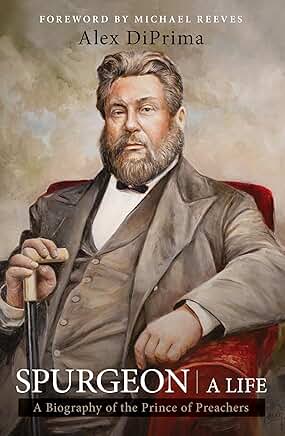
Spurgeon: A Life by Alex DiPrima
“In this book, Alex DiPrima has produced what many others have failed to deliver: a one-volume biography of Spurgeon that tells the story with power, insight, and due recognition of his historical significance.”

—R. Albert Mohler Jr., president, The Southern Baptist Theological Seminary

Alex DiPrima paints a fresh portrait of Charles Haddon Spurgeon, the most well-known gospel minister of the nineteenth century. By providing social, historical, and religious context, DiPrima helps us comprehend the scope of Spurgeon’s ministry in London. Combining academic expertise with popular presentation, this short biography of the famed Prince of Preachers will be the go-to introduction to Spurgeon for years to come.

The Soul-Winning Church: Six Keys to Fostering a Genuine Evangelistic Culture by J.A. Medders

How to build a culture of truly effective gospel-sharing in your church. 
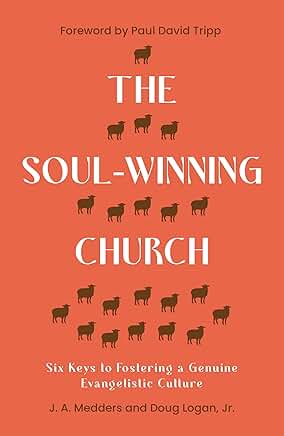
Your church’s sermons often include a call to evangelize. You’ve held evangelism training events. You give out invites to your Christmas and Easter services. So… where are all the new Christians? Is your church actually reaching the lost with the gospel?

For many of us, despite having the best intentions our churches struggle to reach out with the gospel effectively. J.A. Medders and Doug Logan Jr. have decades of experience in leading churches and mentoring pastors, and here they outline six principles for cultivating a genuine evangelistic culture throughout your church. 

Includes case studies from a variety of different cultures and contexts to give you practical ideas for implementing these six principles.

Shepherds for Sale: How Evangelical Leaders Traded the Truth for a Leftist Agenda by Megan Bashan

How deeply have leftist billionaires infiltrated America’s churches?

In Shepherds for Sale, Megan Basham of the Daily Wire documents how progressive powerbrokers —from George Soros, to the founder of eBay, to former members of the Obama administration— set out to change the American church. Their goal: to co-opt evangelicals for political purposes. She exposes:

The left-wing billionaires, foundations, and think tanks that deliberately target Christian media, universities, megachurches, nonprofits, and even entire denominations

  • The left-wing billionaires, foundations, and think tanks that deliberately target Christian media, universities, megachurches, nonprofits, and even entire denominations
  • The celebrity megachurch pastor who secretly encouraged a group of pastors to change their views on sexuality
  • The revered Presbyterian theologian who backed a congregation rebelling against his own denomination

These are just a glimpse into the compromises and astroturf campaigns Basham uncovers. Many evangelical leaders are pushing their members to “whisper” about sexual sins, reconsider the importance of abortion, lament the effects of climate change, and repent of “perpetuating systemic racism.” And in exchange for toeing a left-wing line, many of those church leaders and institutions have received cash, career jumps, prestige, and praise. Basham brings the receipts, and names names.

A rigorously reported exposé, Shepherds for Sale is a warning of what happens when the church trusts the world’s wisdom instead of Scripture.


Commentaries on the Sermon on the Mount

Back in August, I began a sermon series on Matthew 5-7, The Sermon on the Mount. Here are some of the commentaries I am using:

Studies in the Sermon on the Mount by Martyn Lloyd Jones

A spiritual classic, this detailed and comprehensive study by one of the greatest expository preachers of our time explains Christ’s teaching in the Sermon on the Mount and incisively applies it to the Christian life.

With characteristic vigor and emotional vitality Dr. Lloyd-Jones presents a brilliant and detailed exposition of one of the best known but most frequently misunderstood passages of Scripture. Here is a comprehensive and exhaustive study of our Lord’s words as recorded in Matthew chapter five. This beautiful portion of the Sermon on the Mount is carefully analysed, its contents outlined and thoughtfully arranged, and vastly rich and abundant truths are gleaned for the reader’s spiritual nurture.

The author brought a wealth of devoted study as well as a profound spiritual appreciation to the work of interpreting this greatest address of our delightful experience in meditation. It presents depth of thought in simple language and beauty of style and contains a veritable thesaurus of spiritual truths drawn from the entire Bible.

Sermon On The Mount: Restoring Christ’s Message to the Modern Church by Charles Quarles

Matthew 5-7, popularly known as the Sermon on the Mount, has been described as “the essence of Christianity” and inspired many commentaries. However, New Testament professor Charles Quarles believes a fair number of those volumes either present Christ’s sermon as containing an impossible spiritual ethic or instead dilute its message so much that hardly any ethical challenge remains. Also concerning, a recent Gallup poll indicated only onethird of American adults recognize Jesus as the source of this teaching that has often inspired people who do not even embrace evangelical Christianity.

Quarles’ new analysis, part of the New American Commentary Studies in Bible & Theology series, aims to fill the gap between these extremes by dealing with the important questions of whether believers can live by the Sermon on the Mount today, and, if so, how. Looking at the Beatitudes, what it means to be salt and light, and the demand for superior righteousness, he writes to restore this crucial section of our Lord’s teaching to its proper place in His church.

The Beatitudes by Thomas Watson
The Beatitudes, written by Thomas Watson, is an exposition of Matthew 5:1-12. Thomas Watson was a prominent Nonconformist Puritan and religious author. Watson was born and raised in England and was a popular preacher until the Restoration. He is now best remembered for his many popular Christian books such as A Body of Divinity, The Godly Man’s Picture, and The Doctrine of Repentance.

The Sermon on the Mount: The Message of the Kingdom by Kent Hughes

The three chapters of Matthew known as the Sermon on the Mount contain truths so rich and powerful that even a lifetime of study could not exhaust their depths. For centuries, Jesus’s majestic portrait of the kingdom of heaven and his unparalleled instructions for godliness have captivated Christians and non-Christians alike. In this classic commentary, now revised with a fresh look and ESV Bible references, seasoned pastor R. Kent Hughes guides readers through this glorious portion of the Bible with exegetical precision, expositional clarity, and practical sensitivity. Whether used by preachers, small group leaders, or individual laypersons, this resource will prove invaluable for illuminating the Sermon on the Mount’s enduring power to enliven hearts and transform minds.

Matthew 1-7 by John MacArthur
The Old Testament looked forward to the final King of kings who would bring everlasting salvation and peace. In his Gospel, Matthew demonstrates that Jesus Christ is that King, perfect in His eternal glory and majesty. As the King’s ambassadors, Christians today will find in Matthew great motivation for heartfelt worship and service.

Join John MacArthur as he explains each verse of Matthew 1–7 in a way that is both doctrinally precise and intensely practical. Taking into account the cultural, theological, and Old Testament contexts of each passage, MacArthur tackles interpretive challenges and fairly evaluates differing views, giving the reader confidence in his conclusions. 

The MacArthur New Testament Commentary series comes from the experience, wisdom, and insight of one of the most trusted ministry leaders and Bible scholars of our day. Each volume was written to be as comprehensive and accurate as possible, dealing thoroughly with every key phrase and word in the Scripture without being unnecessarily technical. This commentary will help to give a better, fuller, richer understanding of God’s Word, while challenging the reader to a vibrant personal spiritual walk.

Sermons on the Beatitudes

I began my sermon series on the Sermon on the Mount with a mini-series on the Beatitudes. I have attached links to the audio recordings of each sermon.

Sermon on the Mount: Intro

Blessed are the Spritual Beggars

Blessed are those who Mourn

Blessed are the Meek

Blessed are those who Yearn for Righteousness

Blessed are the Merciful

Blessed are the Pure in Heart

Blessed are the Peacemakers

Blessed are the Persecuted

My Favorite Reads of 2023

I love when well-known Christian pastors, theologians, and websites begin posting their favorite reads of the year. Many of these books eventually end up on my shelf or in my hands.

In this blog, I’ll post my ten favorite reads of 2023 (in no particular order), and then I’ll post a link to other people’s favorite reads. My list will include books published in various years (the book descriptions are from Amazon). Other people’s lists will usually pertain to books published in 2023.

Grace at Work: Redeeming the Grind and Glory of Your Job by Bryan Chapell

For many people, their job is merely “the daily grind” needed to provide for family or pay the bills. Yet our work is a vital means for fulfilling God’s purpose for our lives and displaying his grace to those around us. We bear God’s image in our workplaces, experiencing his blessings and expressing his nature through our efforts, integrity, creativity, generosity, and excellence. No earthly chore is without the opportunity to observe his divine hand. No challenge in task or relationship is without opportunity to represent God’s heart. 

In this book, author and pastor Bryan Chapell shares this biblical perspective of vocation, explaining how God gives purpose to our work by making it an instrument of his grace to our own hearts, as well as a way of bringing his goodness and glory into our world. Chapell explains how we can worship God by our work, rising above drudgery, duty, or self-interest with the understanding that our jobs are unique callings for displaying God’s character and care. Our work is worship when we see the glory beyond the grind, the mission in the mundane, and the grace at work. 

  • Ideal for Christians in the Workplace: Contains encouragement for those looking for purpose in their jobs 
  • Biblically Grounded: Chapell teaches how the gospel blesses attitudes and responsibilities relating to success, creativity, money, integrity, leadership, and even sin in the workplace 
  • Kingdom Minded: Explains vocation in light of the grace Christ provides to and through his people for blessing our world and bringing him glory 

How to Speak a Sermon so that People Will Listen by Larry Trotter

A powerful sermon must have not only clearly organized biblical content but also engaging delivery. How to Speak a Sermon is about sermon delivery, particularly extemporaneous sermon delivery. Combining biblical principles with the best insights of the ages and personal experiences, it explains the power and pitfalls of extemporaneous speech, how to develop speaking ability, and why preaching method matters.

Spurgeon and the Poor: How the Gospel Compels Christian Social Concern by Alex DePrima

Spurgeon and the Poor is a fascinating study into the life and ministry of Charles Haddon Spurgeon, exploring his understanding of the place of benevolence in the ministry of the local church. Alex DiPrima examines the way Spurgeon’s belief that gospel preaching and soul-winning formed the church’s mission informed his view of social concern as a compelling argument for its power. Readers will gain insight into Spurgeon’s theology and experience as he ministered to the oppressed through ministries, private philanthropy, and public advocacy.

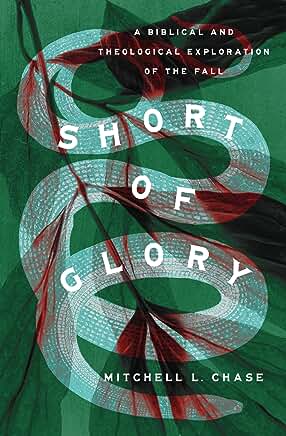
Short of Glory: A Biblical and Theological Exploration of the Fall by Mitchell Chase

When looking around at the world, it is easy to see that all is not as it should be. This brokenness within the world and humanity finds its roots in mankind’s rebellion against God. The fall, as recorded in Genesis 3, sets the stage for creation’s need for redemption―ultimately found in Jesus Christ.

In this book, pastor and professor Mitchell Chase argues that in order to understand the fall and recognize its profound impact on later Scripture and the world today, Christians must first understand Genesis 3. Chase identifies themes found in Genesis 3―temptation, shame, messianic hope, and more―and shows how they reverberate throughout the rest of the storyline of Scripture. Understanding Adam and Eve’s fall is crucial to understanding the world as it currently is and the need for redemption through Jesus.

The Vanishing American Adult: Our Coming-of Age Crisis by Ben Sasse

Raised by well-meaning but overprotective parents and coddled by well-meaning but misbegotten government programs, America’s youth are ill-equipped to survive in our highly-competitive global economy. 

Many of the coming-of-age rituals that have defined the American experience since the Founding: learning the value of working with your hands, leaving home to start a family, becoming economically self-reliant—are being delayed or skipped altogether. The statistics are daunting: 30% of college students drop out after the first year, and only 4 in 10 graduate. One in three 18-to-34 year-olds live with their parents. 

From these disparate phenomena: Nebraska Senator Ben Sasse who as president of a Midwestern college observed the trials of this generation up close, sees an existential threat to the American way of life.

In The Vanishing American Adult, Sasse diagnoses the causes of a generation that can’t grow up and offers a path for raising children to become active and engaged citizens. He identifies core formative experiences that all young people should pursue: hard work to appreciate the benefits of labor, travel to understand deprivation and want, the power of reading, the importance of nurturing your body—and explains how parents can encourage them.

Our democracy depends on responsible, contributing adults to function properly—without them America falls prey to populist demagogues. A call to arms, The Vanishing American Adultwill ignite a much-needed debate about the link between the way we’re raising our children and the future of our country.

Rescuing the Gospel: The Story and Significance of the Reformation by Erwin Lutzer

The Reformation unfolded in the cathedrals and town squares of Europe–in Wittenberg, Worms, Rome, Geneva, and Zurich–and it is a stirring story of courage and cowardice, of betrayal and faith. 

The story begins with the Catholic Church and its desperate need for reform. The dramatic events that followed are traced from John Wycliffe in England, to the burning of John Hus at the stake in Prague, to the rampant sale of indulgences in the cities and towns of Germany, to Martin Luther nailing the Ninety-Five Theses to the door of the Castle Church in 1517, to John Calvin’s reform of Geneva. 

Erwin Lutzer captures the people, places, and big ideas that fueled the Reformation and explains its lasting influence on the church and Western Civilization.

The Wolf in Their Pockets: 13 Ways the Social Internet by Chris Martin

We can hardly remember a time when we didn’t feel the influence of that back pocket device. The average social media user spends about two-and-a-half hours a day using social media. That’s more than enough time to shape our values and desires. Pastors, teachers, and parents feel their influence slipping away. We’re seeing increased loneliness, disunity, and self-absorption. But where do we go from here?

In The Wolf in Their Pockets, Internet expert Chris Martin examines the many ways we are being changed by social media. With a biblically informed voice, Martin both exposes the ways the Internet is distorting our life in Christ and shows us how to faithfully respond. Martin teaches us how to care for people who are obsessed with followers, views, and likes—and how to love those whose online influences have filled them with cynicism and contempt. Martin looks at how the social Internet is changing how we understand sex and beauty—what to do about the epidemic levels of anxiety—and how to redirect our hearts to worship Jesus Christ.

Shepherding and leading people has never been easy, but the social Internet has brought new challenges. We need the miraculous work of the Holy Spirit and a powerful prayer life. Martin provides the biblical wisdom, direction, and hope necessary to combat The Wolf in Their Pockets.

Pure: Why the Bible’s Plan for Sexuality Isn’t Outdated, Irrelevant, or Oppressive by Dean Inserra

Few things bring more immediate scrutiny and impassioned angst among young adult Christians today than hearing the words “purity culture.” Serious flaws from purity culture deserve to be scrutinized, especially given its lasting negative effects on some raised in the movement. Many Christians today reject the movement—and all that it stood for—wholesale. However, we can’t ignore the clear sexual ethics of the Bible. 

Pure dives into the big picture of God’s design for men and women regarding sexuality, and seeks to reclaim one of the clearest teaching in the scriptures: the call to sexual purity. While purity culture gets the truth right, the approach and gospel elements it espouses are often wrong. Let’s not throw the baby out with the bath water, but rather celebrate God’s great design for marriage and the loving boundaries he has put in place for our joy, protection, and flourishing.

The Coddling of the American Mind: How Good Intentions and Bad Ideas Are Setting Up a Generation for Failure by Greg Lukianoff and Jonathan Haidt

Something has been going wrong on many college campuses in the last few years. Speakers are shouted down. Students and professors say they are walking on eggshells and are afraid to speak honestly. Rates of anxiety, depression, and suicide are rising—on campus as well as nationally. How did this happen?

First Amendment expert Greg Lukianoff and social psychologist Jonathan Haidt show how the new problems on campus have their origins in three terrible ideas that have become increasingly woven into American childhood and education: What doesn’t kill you makes you weakeralways trust your feelings; and life is a battle between good people and evil people. These three Great Untruths contradict basic psychological principles about well-being and ancient wisdom from many cultures.  Embracing these untruths—and the resulting culture of safetyism—interferes with young people’s social, emotional, and intellectual development. It makes it harder for them to become autonomous adults who are able to navigate the bumpy road of life.

Lukianoff and Haidt investigate the many social trends that have intersected to promote the spread of these untruths. They explore changes in childhood such as the rise of fearful parenting, the decline of unsupervised, child-directed play, and the new world of social media that has engulfed teenagers in the last decade. They examine changes on campus, including the corporatization of universities and the emergence of new ideas about identity and justice. They situate the conflicts on campus within the context of America’s rapidly rising political polarization and dysfunction.

This is a book for anyone who is confused by what is happening on college campuses today, or has children, or is concerned about the growing inability of Americans to live, work, and cooperate across party lines.

Defending Shame: Its Formative Power in Paul’s Letters by Te-Li Lau

Our culture often views shame in a negative light. However, Paul’s use of shame, when properly understood and applied, has much to teach the contemporary church. Filling a lacuna in Pauline scholarship, this book shows how Paul uses shame to admonish and to transform the minds of his readers into the mind of Christ. The author examines Paul’s use of shame for moral formation within his Jewish and Greco-Roman context, compares and contrasts Paul’s use of shame with other cultural voices, and offers a corrective understanding for today’s church. Foreword by Luke Timothy Johnson.

Other People’s Favorite Reads of 2023

Christianity Today’s 2024 Book Awards


The Gospel Coalition 2023 Book Awards


Andrew Wilson’s Books of the Year 2023


12 Top Biblical Counseling Books of 2023


Trevin Wax’s Favorite Reads of 2023


Tim Challies’ Top Books of 2023


On My Shelf: July-September

Here’s a behind-the-scenes glance at what I’ve been reading over the past few months. I’ve added a brief book description from Amazon to give you a taste of each book. Perhaps one of these books will garner your attention and compel you to add it to your cart! But let me mention a few things before you start scrolling:

  • I don’t agree with everything in every book I read
  • I’ve found all of these books helpful
  • I’ve found some of these books more helpful than others
  • These books are listed in the order I read them

Glorification: An Introduction by Graham A. Cole

Facing sin, suffering, and an uncertain future, it’s easy to become pessimistic, but believers in Christ know the best is yet to come. God promises that one day he will redeem his image bearers and renew the earth. Few books are written on the doctrine of glorification, but its promise of restoration brings urgent hope for Christ followers.

In this addition to the Short Studies in Systematic Theology series, Graham A. Cole examines the concept of divine glory as well as God’s plan for redeeming individual believers, the church, and the universe. Identifying two phases of glorification―one in this life and a final transformation into Christlikeness―Cole defines the role of the Father, Son, and Holy Spirit in the sanctification process. Through careful study of Scripture, he shows Christians how their future identity as glorified beings should impact their perspective today.

  • Thoughtful and Theological: Walks through the plotline of Scripture to explain redemptive history, the Trinitarian work of glorification, and the future of unbelievers
  • Thorough Introduction: Studies the Old and New Testaments to explain God’s divine glory, including the stories of Moses, Isaiah, and Ezekiel, as well as the topics of creation, the incarnation, transfiguration of Jesus, and the picture of the new earth in Revelation
  • Great for Theologians, Pastors, and Students: This concise study dives deep into an overlooked area of eschatology and includes suggested resources for further reading

From Adam and Israel to the Church: A Biblical Theology of the People of God by Benjamin L. Gladd

What does it mean to be created in God’s image? How has the fall affected this image? Who are the people of God?

Addressing these core questions about spiritual identity, From Adam and Israel to the Church examines the nature of the people of God from Genesis to Revelation through the lens of being created and formed in God’s image. Benjamin Gladd argues that living out God’s image means serving as prophets, priests, and kings, and he explains how God’s people function in these roles throughout Scripture―from Adam and Eve to the nation of Israel, from Jesus to the church. The consistent call of the people of God is to serve as God’s image-bearers in the world.

This first volume in Essential Studies in Biblical Theology lays a foundation for subsequent volumes, introducing key biblical-theological themes such as temple, king, priest, prophet, creation, and redemption.

Essential Studies in Biblical Theology (ESBT), edited by Benjamin L. Gladd, explore the central or “essential” themes of the Bible’s grand storyline. Taking cues from Genesis 1-3, authors explore the presence of these themes throughout the entire sweep of redemption history. Written for students, church leaders, and laypeople, the ESBT offers an introduction to biblical theology.

How to Raise an Adult: Break Free of the Overparenting Trap and Prepare Your Kid for Success by Julie Lythcott-Haims

In How to Raise an Adult, Julie Lythcott-Haims draws on research, on conversations with admissions officers, educators, and employers, and on her own insights as a mother and as a student dean to highlight the ways in which overparenting harms children, their stressed-out parents, and society at large. While empathizing with the parental hopes and, especially, fears that lead to overhelping, Lythcott-Haims offers practical alternative strategies that underline the importance of allowing children to make their own mistakes and develop the resilience, resourcefulness, and inner determination necessary for success.

Relevant to parents of toddlers as well as of twentysomethings-and of special value to parents of teens-this book is a rallying cry for those who wish to ensure that the next generation can take charge of their own lives with competence and confidence.

Short of Glory: A Biblical and Theological Exploration of the Fall by Mitchell L. Chase

When looking around at the world, it is easy to see that all is not as it should be. This brokenness within the world and humanity finds its roots in mankind’s rebellion against God. The fall, as recorded in Genesis 3, sets the stage for creation’s need for redemption―ultimately found in Jesus Christ.

In this book, pastor and professor Mitchell Chase argues that in order to understand the fall and recognize its profound impact on later Scripture and the world today, Christians must first understand Genesis 3. Chase identifies themes found in Genesis 3―temptation, shame, messianic hope, and more―and shows how they reverberate throughout the rest of the storyline of Scripture. Understanding Adam and Eve’s fall is crucial to understanding the world as it currently is and the need for redemption through Jesus. 

  • Accessible: Clear and concise writing on one of the most vital chapters in Scripture
  • For Those Interested in Biblical Theology: Ideal for students, thoughtful lay people, and pastors looking to grow in their knowledge of inner-biblical exegesis and connections
  • Identifies Biblical Themes in Genesis 3: Including temptation, shame, and messianic hope
  • Written by Mitchell L. Chase: Professor at the Southern Baptist Theological Seminary and the author of Resurrection Hope and the Death of Death

Impossible Christianity: Why Following Jesus Does Not Mean You Have To Change The World, Be An Expert In Everything, Accept Spiritual Failure, And Feel Miserable Pretty Much All The Time by Kevin DeYoung

The apostle Paul described the Christian life as a race, but to many believers it feels more like a punishing obstacle course. Fearing they’ll never be able to do enough or give enough or be enough, they see themselves as spiritual failures. But Scripture offers good news: even in ordinary life, Christians can be faithful, fruitful, and pleasing to God.

Impossible Christianity reassures readers that they don’t need to feel a collective sense of guilt for sins in the past and solve every societal problem in the present. Through biblical wisdom and engaging personal stories, Kevin DeYoung challenges the misconception that we need 40 hours in the day just to be good Christians. By reflecting on what Jesus actually taught about Christian discipleship, readers will be newly encouraged to pursue single-minded devotion to God and find lasting joy in a life of sincere and simple obedience.

  • By Bestselling Writer Kevin DeYoung: Author of books including The Biggest StoryJust Do Something; and Crazy Busy
  • Applicable: Written in a conversational tone, this book addresses Christian life issues including guilt, corporate responsibility, personal disciplines, assurance of salvation, and righteousness
  • Offers Strength for Weary Christians: Helps believers answer the question, Can we please God and live a happy life in this anxious age?

The Doctrine of Good Works: Reclaiming a Protestant Teaching by Thomas H. McCall, Caleb T. Friedeman, and Matt T. Friedeman

In Titus, Paul says Christ redeemed a people “zealous for good works.” Despite this declaration and others like it, the doctrine of good works has fallen on hard times in contemporary Protestant theology and practice. At best, it’s neglected–as in most systematic theologies and in too much church teaching. At worst, it’s viewed with suspicion–as a threat to salvation by grace alone through faith alone.

In this important work addressing a significant gap in current theological literature, the authors argue that by jettisoning a doctrine of good works, the contemporary church contradicts historical Protestantism and, more importantly, biblical teaching. They combine their areas of expertise–exegesis, systematic and historical theology, and practical theology–to help readers recover and embrace a positive doctrine of good works. They survey historical Protestant teaching to show the importance of the doctrine to our forebears, engage the scriptural testimony on the role of good works, formulate a theology of salvation and good works, and explore pastoral applications.

Rescuing the Gospel: The Story and Significance of the Reformation by Erwin Lutzer

The Reformation unfolded in the cathedrals and town squares of Europe–in Wittenberg, Worms, Rome, Geneva, and Zurich–and it is a stirring story of courage and cowardice, of betrayal and faith. 

The story begins with the Catholic Church and its desperate need for reform. The dramatic events that followed are traced from John Wycliffe in England, to the burning of John Hus at the stake in Prague, to the rampant sale of indulgences in the cities and towns of Germany, to Martin Luther nailing the Ninety-Five Theses to the door of the Castle Church in 1517, to John Calvin’s reform of Geneva. 

Erwin Lutzer captures the people, places, and big ideas that fueled the Reformation and explains its lasting influence on the church and Western Civilization.

On My Shelf: April-June

Here’s a behind-the-scenes glance at what I’ve been reading over the past few months. I’ve added a brief book description from Amazon to give you a taste of each book. Perhaps one of these books will garner your attention and compel you to add it to your cart! But let me mention a few things before you start scrolling:

  • I don’t agree with everything in every book I read
  • I’ve found all of these books helpful
  • I’ve found some of these books more helpful than others
  • These books are listed in the order I read them

Conception Control: Avoiding Antinomianism and Legalism by Phillip Kayser

“Is conception control part of the Dominion Mandate? If so, are there limits to man’s dominion? In what ways did the Fall impact the conception portion of the Dominion Mandate? In what ways does Redemption impact conception? May a couple seek medical help in order to conceive? Are there limits to what medicine can ethically achieve in conception? Are there sexual practices within marriage that the Bible prohibits? How does one’s view of conception control and birth control impact other areas of life?”

Defending Shame: Its Formative Power in Paul’s Letters by Te-Li Lau

2020 Center for Biblical Studies Book Award (New Testament)

“Our culture often views shame in a negative light. However, Paul’s use of shame, when properly understood and applied, has much to teach the contemporary church. Filling a lacuna in Pauline scholarship, this book shows how Paul uses shame to admonish and to transform the minds of his readers into the mind of Christ. The author examines Paul’s use of shame for moral formation within his Jewish and Greco-Roman context, compares and contrasts Paul’s use of shame with other cultural voices, and offers a corrective understanding for today’s church. Foreword by Luke Timothy Johnson.”

The Wolf In Their Pockets: 13 Ways the Social Internet Threatens the People You Lead by Chris Martin

“We can hardly remember a time when we didn’t feel the influence of that back pocket device. The average social media user spends about two-and-a-half hours a day using social media. That’s more than enough time to shape our values and desires. Pastors, teachers, and parents feel their influence slipping away. We’re seeing increased loneliness, disunity, and self-absorption. But where do we go from here?

In The Wolf in Their Pockets, Internet expert Chris Martin examines the many ways we are being changed by social media. With a biblically informed voice, Martin both exposes the ways the Internet is distorting our life in Christ and shows us how to faithfully respond. Martin teaches us how to care for people who are obsessed with followers, views, and likes—and how to love those whose online influences have filled them with cynicism and contempt. Martin looks at how the social Internet is changing how we understand sex and beauty—what to do about the epidemic levels of anxiety—and how to redirect our hearts to worship Jesus Christ.

Shepherding and leading people has never been easy, but the social Internet has brought new challenges. We need the miraculous work of the Holy Spirit and a powerful prayer life. Martin provides the biblical wisdom, direction, and hope necessary to combat The Wolf in Their Pockets.”

Reclaiming Conversation: The Power of Talk in a Digital Age by Sherry Turkle

“Renowned media scholar Sherry Turkle investigates how a flight from conversation undermines our relationships, creativity, and productivity – and why reclaiming face-to-face conversation can help us regain lost ground.

We live in a technological universe in which we are always communicating. And yet we have sacrificed conversation for mere connection.

Preeminent author and researcher Sherry Turkle has been studying digital culture for over 30 years. Long an enthusiast for its possibilities, here she investigates a troubling consequence: At work, at home, in politics, and in love, we find ways around conversation, tempted by the possibilities of a text or an email in which we don’t have to look, listen, or reveal ourselves.

We develop a taste for what mere connection offers. The dinner table falls silent as children compete with phones for their parents’ attention. Friends learn strategies to keep conversations going when only a few people are looking up from their phones. At work, we retreat to our screens although it is conversation at the water cooler that increases not only productivity but commitment to work. Online, we only want to share opinions that our followers will agree with – a politics that shies away from the real conflicts and solutions of the public square.

The case for conversation begins with the necessary conversations of solitude and self-reflection. They are endangered: These days, always connected, we see loneliness as a problem that technology should solve. Afraid of being alone, we rely on other people to give us a sense of ourselves, and our capacity for empathy and relationship suffers. We see the costs of the flight from conversation everywhere: Conversation is the cornerstone for democracy and in business it is good for the bottom line. In the private sphere, it builds empathy, friendship, love, learning, and productivity.

But there is good news: We are resilient. Conversation cures.

Based on five years of research and interviews in homes, schools, and the workplace, Turkle argues that we have come to a better understanding of where our technology can and cannot take us and that the time is right to reclaim conversation. The most human – and humanizing – thing that we do.

The virtues of person-to-person conversation are timeless, and our most basic technology, talk, responds to our modern challenges. We have everything we need to start, we have each other.”

Pastoring Small Towns: Help and Hope for Those Ministering in Smaller Places by Ronnie Martin and Donnie Griggs

“Small town life is quite different from life in a big city. There is not as much traffic. People recognize each other at the grocery store. Local sporting events carry a different cultural weight, and it may not be out of the ordinary to wait behind a tractor or get used to the smell of a nearby factory. These communities are unique, and pastoring here is an extraordinary task.

Ronnie Martin and Donnie Griggs are well-aware of this reality. In Pastoring Small Towns, their hope is to equip pastors and ministry leaders to take on the different nuances that come with pastoring smaller communities. They point out the cultural realities of these places and give pastors the tools to effectively engage their people with the Gospel.”

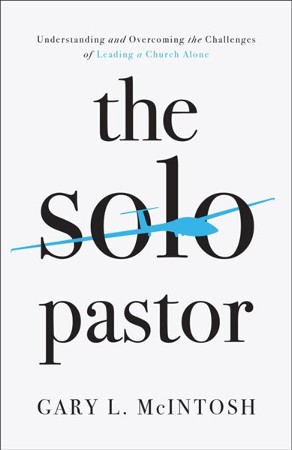
The Solo Pastor: Understanding and Overcoming the Challenges of Leading a Church Alone by Gary L. McIntosh

“Being a pastor is a complex and demanding role, especially for someone leading alone. The majority of pastors find themselves in this position, leading their smaller church with no additional professional assistance. The challenges are many, including loneliness, isolation, self-doubt, overwhelm, feelings of inadequacy, and a constant search for additional resources and volunteers. Where does a solo pastor turn for help and encouragement?

With compassion and plenty of proven, practical strategies, church consultant and former solo pastor Gary L. McIntosh steps in to fill the void.”

The Coddling of the American Mind: How Good Intentions and Bad Ideas Are Setting Up a Generation for Failure by Jonathan Haidt

“Something has been going wrong on many college campuses in the last few years. Speakers are shouted down. Students and professors say they are walking on eggshells and are afraid to speak honestly. Rates of anxiety, depression, and suicide are rising—on campus as well as nationally. How did this happen?

First Amendment expert Greg Lukianoff and social psychologist Jonathan Haidt show how the new problems on campus have their origins in three terrible ideas that have become increasingly woven into American childhood and education: What doesn’t kill you makes you weakeralways trust your feelings; and life is a battle between good people and evil people. These three Great Untruths contradict basic psychological principles about well-being and ancient wisdom from many cultures.  Embracing these untruths—and the resulting culture of safetyism—interferes with young people’s social, emotional, and intellectual development. It makes it harder for them to become autonomous adults who are able to navigate the bumpy road of life.

Lukianoff and Haidt investigate the many social trends that have intersected to promote the spread of these untruths. They explore changes in childhood such as the rise of fearful parenting, the decline of unsupervised, child-directed play, and the new world of social media that has engulfed teenagers in the last decade. They examine changes on campus, including the corporatization of universities and the emergence of new ideas about identity and justice. They situate the conflicts on campus within the context of America’s rapidly rising political polarization and dysfunction.

This is a book for anyone who is confused by what is happening on college campuses today, or has children, or is concerned about the growing inability of Americans to live, work, and cooperate across party lines.”

Resurrection Hope and the Death of Death by Chase Mitchell

“Death is a powerful and sobering reality. While everyone must face death, it is not the end for those united with Christ. Followers of Jesus Christ have resurrection hope―the proclamation that Christ has defeated death and the promise that believers shall share in his victory. The resurrection is essential to the Christian faith and is rooted in the faithfulness of God. 

With scholarly insight, Mitchell L. Chase traces the theme of resurrection hope throughout Scripture, walking through each section of the Bible from the Law to Revelation. Having a proper understanding of death and resurrection will not only stir up our soberness for the reality of sin and death, but it will also motivate our praise to God.”

Christ-Centered Preaching: Redeeming the Expository Sermon by Bryan Chapell

“In this complete guide to expository preaching, Bryan Chapell teaches the basics of preparation, organization, and delivery–the trademarks of great preaching. This new edition of a bestselling resource, now updated and revised throughout, shows how Chapell’s case for expository preaching reaches twenty-first-century readers.”

The Vanishing American Adult: Our Coming-of Age Crises and How to Rebuild a Culture of Self-Reliance by Ben Sasse

“In an era of safe spaces, trigger warnings, and an unprecedented election, the country’s youth are in crisis. Senator Ben Sasse warns the nation about the existential threat to America’s future.

Raised by well-meaning but overprotective parents and coddled by well-meaning but misbegotten government programs, America’s youth are ill-equipped to survive in our highly-competitive global economy. 

Many of the coming-of-age rituals that have defined the American experience since the Founding: learning the value of working with your hands, leaving home to start a family, becoming economically self-reliant―are being delayed or skipped altogether. The statistics are daunting: 30% of college students drop out after the first year, and only 4 in 10 graduate. One in three 18-to-34 year-olds live with their parents. 

From these disparate phenomena: Nebraska Senator Ben Sasse who as president of a Midwestern college observed the trials of this generation up close, sees an existential threat to the American way of life.

In The Vanishing American Adult, Sasse diagnoses the causes of a generation that can’t grow up and offers a path for raising children to become active and engaged citizens. He identifies core formative experiences that all young people should pursue: hard work to appreciate the benefits of labor, travel to understand deprivation and want, the power of reading, the importance of nurturing your body―and explains how parents can encourage them.

Our democracy depends on responsible, contributing adults to function properly―without them America falls prey to populist demagogues. A call to arms, The Vanishing American Adult will ignite a much-needed debate about the link between the way we’re raising our children and the future of our country.”