My Favorite Reads of 2023

I love when well-known Christian pastors, theologians, and websites begin posting their favorite reads of the year. Many of these books eventually end up on my shelf or in my hands.

In this blog, Iโ€™ll post my ten favorite reads of 2023 (in no particular order), and then Iโ€™ll post a link to other peopleโ€™s favorite reads. My list will include books published in various years (the book descriptions are from Amazon). Other peopleโ€™s lists will usually pertain to books published in 2023.

Grace at Work: Redeeming the Grind and Glory of Your Job by Bryan Chapell
For many people, their job is merely โ€œthe daily grindโ€ needed to provide for family or pay the bills. Yet our work is a vital means for fulfilling Godโ€™s purpose for our lives and displaying his grace to those around us. We bear Godโ€™s image in our workplaces, experiencing his blessings and expressing his nature through our efforts, integrity, creativity, generosity, and excellence. No earthly chore is without the opportunity to observe his divine hand. No challenge in task or relationship is without opportunity to represent Godโ€™s heart. 

In this book, author and pastor Bryan Chapell shares this biblical perspective of vocation, explaining how God gives purpose to our work by making it an instrument of his grace to our own hearts, as well as a way of bringing his goodness and glory into our world. Chapell explains how we can worship God by our work, rising above drudgery, duty, or self-interest with the understanding that our jobs are unique callings for displaying Godโ€™s character and care. Our work is worship when we see the glory beyond the grind, the mission in the mundane, and the grace at work. 

  • Ideal for Christians in the Workplace: Contains encouragement for those looking for purpose in their jobs 
  • Biblically Grounded: Chapell teaches how the gospel blesses attitudes and responsibilities relating to success, creativity, money, integrity, leadership, and even sin in the workplace 
  • Kingdom Minded: Explains vocation in light of the grace Christ provides to and through his people for blessing our world and bringing him glory 

How to Speak a Sermon so that People Will Listen by Larry Trotter

A powerful sermon must have not only clearly organized biblical content but also engaging delivery. How to Speak a Sermon is about sermon delivery, particularly extemporaneous sermon delivery. Combining biblical principles with the best insights of the ages and personal experiences, it explains the power and pitfalls of extemporaneous speech, how to develop speaking ability, and why preaching method matters.

Spurgeon and the Poor: How the Gospel Compels Christian Social Concern by Alex DePrima

Spurgeon and the Poor is a fascinating study into the life and ministry of Charles Haddon Spurgeon, exploring his understanding of the place of benevolence in the ministry of the local church. Alex DiPrima examines the way Spurgeon’s belief that gospel preaching and soul-winning formed the church’s mission informed his view of social concern as a compelling argument for its power. Readers will gain insight into Spurgeon’s theology and experience as he ministered to the oppressed through ministries, private philanthropy, and public advocacy.

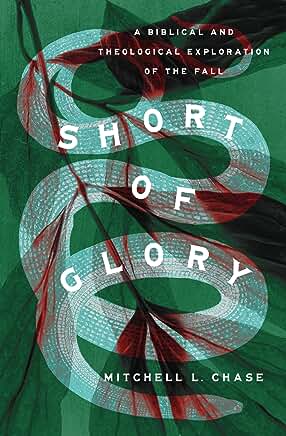
Short of Glory: A Biblical and Theological Exploration of the Fall by Mitchell Chase

When looking around at the world, it is easy to see that all is not as it should be. This brokenness within the world and humanity finds its roots in mankindโ€™s rebellion against God. The fall, as recorded in Genesis 3, sets the stage for creationโ€™s need for redemptionโ€•ultimately found in Jesus Christ.

In this book, pastor and professor Mitchell Chase argues that in order to understand the fall and recognize its profound impact on later Scripture and the world today, Christians must first understand Genesis 3. Chase identifies themes found in Genesis 3โ€•temptation, shame, messianic hope, and moreโ€•and shows how they reverberate throughout the rest of the storyline of Scripture. Understanding Adam and Eveโ€™s fall is crucial to understanding the world as it currently is and the need for redemption through Jesus.

The Vanishing American Adult: Our Coming-of Age Crisis by Ben Sasse

Raised by well-meaning but overprotective parents and coddled by well-meaning but misbegotten government programs, America’s youth are ill-equipped to survive in our highly-competitive global economy. 

Many of the coming-of-age rituals that have defined the American experience since the Founding: learning the value of working with your hands, leaving home to start a family, becoming economically self-reliantโ€”are being delayed or skipped altogether. The statistics are daunting: 30% of college students drop out after the first year, and only 4 in 10 graduate. One in three 18-to-34 year-olds live with their parents. 

From these disparate phenomena: Nebraska Senator Ben Sasse who as president of a Midwestern college observed the trials of this generation up close, sees an existential threat to the American way of life.

In The Vanishing American Adult, Sasse diagnoses the causes of a generation that can’t grow up and offers a path for raising children to become active and engaged citizens. He identifies core formative experiences that all young people should pursue: hard work to appreciate the benefits of labor, travel to understand deprivation and want, the power of reading, the importance of nurturing your bodyโ€”and explains how parents can encourage them.

Our democracy depends on responsible, contributing adults to function properlyโ€”without them America falls prey to populist demagogues. A call to arms, The Vanishing American Adultwill ignite a much-needed debate about the link between the way we’re raising our children and the future of our country.

Rescuing the Gospel: The Story and Significance of the Reformation by Erwin Lutzer

The Reformation unfolded in the cathedrals and town squares of Europe–in Wittenberg, Worms, Rome, Geneva, and Zurich–and it is a stirring story of courage and cowardice, of betrayal and faith. 

The story begins with the Catholic Church and its desperate need for reform. The dramatic events that followed are traced from John Wycliffe in England, to the burning of John Hus at the stake in Prague, to the rampant sale of indulgences in the cities and towns of Germany, to Martin Luther nailing the Ninety-Five Theses to the door of the Castle Church in 1517, to John Calvin’s reform of Geneva. 

Erwin Lutzer captures the people, places, and big ideas that fueled the Reformation and explains its lasting influence on the church and Western Civilization.

The Wolf in Their Pockets: 13 Ways the Social Internet by Chris Martin

We can hardly remember a time when we didnโ€™t feel the influence of that back pocket device. The average social media user spends about two-and-a-half hours a day using social media. Thatโ€™s more than enough time to shape our values and desires. Pastors, teachers, and parents feel their influence slipping away. Weโ€™re seeing increased loneliness, disunity, and self-absorption. But where do we go from here?

In The Wolf in Their Pockets, Internet expert Chris Martin examines the many ways we are being changed by social media. With a biblically informed voice, Martin both exposes the ways the Internet is distorting our life in Christ and shows us how to faithfully respond. Martin teaches us how to care for people who are obsessed with followers, views, and likesโ€”and how to love those whose online influences have filled them with cynicism and contempt. Martin looks at how the social Internet is changing how we understand sex and beautyโ€”what to do about the epidemic levels of anxietyโ€”and how to redirect our hearts to worship Jesus Christ.

Shepherding and leading people has never been easy, but the social Internet has brought new challenges. We need the miraculous work of the Holy Spirit and a powerful prayer life. Martin provides the biblical wisdom, direction, and hope necessary to combat The Wolf in Their Pockets.

Pure: Why the Bible’s Plan for Sexuality Isn’t Outdated, Irrelevant, or Oppressive by Dean Inserra
Few things bring more immediate scrutiny and impassioned angst among young adult Christians today than hearing the words โ€œpurity culture.โ€ Serious flaws from purity culture deserve to be scrutinized, especially given its lasting negative effects on some raised in the movement. Many Christians today reject the movementโ€”and all that it stood forโ€”wholesale. However, we canโ€™t ignore the clear sexual ethics of the Bible. 

Pure dives into the big picture of Godโ€™s design for men and women regarding sexuality, and seeks to reclaim one of the clearest teaching in the scriptures: the call to sexual purity. While purity culture gets the truth right, the approach and gospel elements it espouses are often wrong. Letโ€™s not throw the baby out with the bath water, but rather celebrate Godโ€™s great design for marriage and the loving boundaries he has put in place for our joy, protection, and flourishing.

The Coddling of the American Mind: How Good Intentions and Bad Ideas Are Setting Up a Generation for Failure by Greg Lukianoff and Jonathan Haidt
Something has been going wrong on many college campuses in the last few years. Speakers are shouted down. Students and professors say they are walking on eggshells and are afraid to speak honestly. Rates of anxiety, depression, and suicide are risingโ€”on campus as well as nationally. How did this happen?

First Amendment expert Greg Lukianoff and social psychologist Jonathan Haidt show how the new problems on campus have their origins in three terrible ideas that have become increasingly woven into American childhood and education: What doesnโ€™t kill you makes you weakeralways trust your feelings; and life is a battle between good people and evil people. These three Great Untruths contradict basic psychological principles about well-being and ancient wisdom from many cultures.  Embracing these untruthsโ€”and the resulting culture of safetyismโ€”interferes with young peopleโ€™s social, emotional, and intellectual development. It makes it harder for them to become autonomous adults who are able to navigate the bumpy road of life.

Lukianoff and Haidt investigate the many social trends that have intersected to promote the spread of these untruths. They explore changes in childhood such as the rise of fearful parenting, the decline of unsupervised, child-directed play, and the new world of social media that has engulfed teenagers in the last decade. They examine changes on campus, including the corporatization of universities and the emergence of new ideas about identity and justice. They situate the conflicts on campus within the context of Americaโ€™s rapidly rising political polarization and dysfunction.

This is a book for anyone who is confused by what is happening on college campuses today, or has children, or is concerned about the growing inability of Americans to live, work, and cooperate across party lines.

Defending Shame: Its Formative Power in Paul’s Letters by Te-Li Lau

Our culture often views shame in a negative light. However, Paul’s use of shame, when properly understood and applied, has much to teach the contemporary church. Filling a lacuna in Pauline scholarship, this book shows how Paul uses shame to admonish and to transform the minds of his readers into the mind of Christ. The author examines Paul’s use of shame for moral formation within his Jewish and Greco-Roman context, compares and contrasts Paul’s use of shame with other cultural voices, and offers a corrective understanding for today’s church. Foreword by Luke Timothy Johnson.

Other People’s Favorite Reads of 2023

Christianity Today’s 2024 Book Awards


The Gospel Coalition 2023 Book Awards


Andrew Wilson’s Books of the Year 2023


12 Top Biblical Counseling Books of 2023


Trevin Wax’s Favorite Reads of 2023


Tim Challies’ Top Books of 2023


On My Shelf: July-September

Hereโ€™s a behind-the-scenes glance at what Iโ€™ve been reading over the past few months. Iโ€™ve added a brief book description from Amazon to give you a taste of each book. Perhaps one of these books will garner your attention and compel you to add it to your cart! But let me mention a few things before you start scrolling:

  • I donโ€™t agree with everything in every book I read
  • Iโ€™ve found all of these books helpful
  • Iโ€™ve found some of these books more helpful than others
  • These books are listed in the order I read them

Glorification: An Introduction by Graham A. Cole

Facing sin, suffering, and an uncertain future, itโ€™s easy to become pessimistic, but believers in Christ know the best is yet to come. God promises that one day he will redeem his image bearers and renew the earth. Few books are written on the doctrine of glorification, but its promise of restoration brings urgent hope for Christ followers.

In this addition to the Short Studies in Systematic Theology series, Graham A. Cole examines the concept of divine glory as well as Godโ€™s plan for redeeming individual believers, the church, and the universe. Identifying two phases of glorificationโ€•one in this life and a final transformation into Christlikenessโ€•Cole defines the role of the Father, Son, and Holy Spirit in the sanctification process. Through careful study of Scripture, he shows Christians how their future identity as glorified beings should impact their perspective today.

  • Thoughtful and Theological: Walks through the plotline of Scripture to explain redemptive history, the Trinitarian work of glorification, and the future of unbelievers
  • Thorough Introduction: Studies the Old and New Testaments to explain Godโ€™s divine glory, including the stories of Moses, Isaiah, and Ezekiel, as well as the topics of creation, the incarnation, transfiguration of Jesus, and the picture of the new earth in Revelation
  • Great for Theologians, Pastors, and Students: This concise study dives deep into an overlooked area of eschatology and includes suggested resources for further reading

From Adam and Israel to the Church: A Biblical Theology of the People of God by Benjamin L. Gladd

What does it mean to be created in God’s image? How has the fall affected this image? Who are the people of God?

Addressing these core questions about spiritual identity, From Adam and Israel to the Church examines the nature of the people of God from Genesis to Revelation through the lens of being created and formed in God’s image. Benjamin Gladd argues that living out God’s image means serving as prophets, priests, and kings, and he explains how God’s people function in these roles throughout Scriptureโ€•from Adam and Eve to the nation of Israel, from Jesus to the church. The consistent call of the people of God is to serve as God’s image-bearers in the world.

This first volume in Essential Studies in Biblical Theology lays a foundation for subsequent volumes, introducing key biblical-theological themes such as temple, king, priest, prophet, creation, and redemption.

Essential Studies in Biblical Theology (ESBT), edited by Benjamin L. Gladd, explore the central or “essential” themes of the Bible’s grand storyline. Taking cues from Genesis 1-3, authors explore the presence of these themes throughout the entire sweep of redemption history. Written for students, church leaders, and laypeople, the ESBT offers an introduction to biblical theology.

How to Raise an Adult: Break Free of the Overparenting Trap and Prepare Your Kid for Success by Julie Lythcott-Haims

In How to Raise an Adult, Julie Lythcott-Haims draws on research, on conversations with admissions officers, educators, and employers, and on her own insights as a mother and as a student dean to highlight the ways in which overparenting harms children, their stressed-out parents, and society at large. While empathizing with the parental hopes and, especially, fears that lead to overhelping, Lythcott-Haims offers practical alternative strategies that underline the importance of allowing children to make their own mistakes and develop the resilience, resourcefulness, and inner determination necessary for success.

Relevant to parents of toddlers as well as of twentysomethings-and of special value to parents of teens-this book is a rallying cry for those who wish to ensure that the next generation can take charge of their own lives with competence and confidence.

Short of Glory: A Biblical and Theological Exploration of the Fall by Mitchell L. Chase

When looking around at the world, it is easy to see that all is not as it should be. This brokenness within the world and humanity finds its roots in mankindโ€™s rebellion against God. The fall, as recorded in Genesis 3, sets the stage for creationโ€™s need for redemptionโ€•ultimately found in Jesus Christ.

In this book, pastor and professor Mitchell Chase argues that in order to understand the fall and recognize its profound impact on later Scripture and the world today, Christians must first understand Genesis 3. Chase identifies themes found in Genesis 3โ€•temptation, shame, messianic hope, and moreโ€•and shows how they reverberate throughout the rest of the storyline of Scripture. Understanding Adam and Eveโ€™s fall is crucial to understanding the world as it currently is and the need for redemption through Jesus. 

  • Accessible: Clear and concise writing on one of the most vital chapters in Scripture
  • For Those Interested in Biblical Theology: Ideal for students, thoughtful lay people, and pastors looking to grow in their knowledge of inner-biblical exegesis and connections
  • Identifies Biblical Themes in Genesis 3: Including temptation, shame, and messianic hope
  • Written by Mitchell L. Chase: Professor at the Southern Baptist Theological Seminary and the author of Resurrection Hope and the Death of Death

Impossible Christianity: Why Following Jesus Does Not Mean You Have To Change The World, Be An Expert In Everything, Accept Spiritual Failure, And Feel Miserable Pretty Much All The Time by Kevin DeYoung

The apostle Paul described the Christian life as a race, but to many believers it feels more like a punishing obstacle course. Fearing theyโ€™ll never be able to do enough or give enough or be enough, they see themselves as spiritual failures. But Scripture offers good news: even in ordinary life, Christians can be faithful, fruitful, and pleasing to God.

Impossible Christianity reassures readers that they donโ€™t need to feel a collective sense of guilt for sins in the past and solve every societal problem in the present. Through biblical wisdom and engaging personal stories, Kevin DeYoung challenges the misconception that we need 40 hours in the day just to be good Christians. By reflecting on what Jesus actually taught about Christian discipleship, readers will be newly encouraged to pursue single-minded devotion to God and find lasting joy in a life of sincere and simple obedience.

  • By Bestselling Writer Kevin DeYoung: Author of books including The Biggest StoryJust Do Something; and Crazy Busy
  • Applicable: Written in a conversational tone, this book addresses Christian life issues including guilt, corporate responsibility, personal disciplines, assurance of salvation, and righteousness
  • Offers Strength for Weary Christians:ย Helps believers answer the question,ย Can we please God and live a happy life in this anxious age?

The Doctrine of Good Works: Reclaiming a Protestant Teaching by Thomas H. McCall, Caleb T. Friedeman, and Matt T. Friedeman

In Titus, Paul says Christ redeemed a people “zealous for good works.” Despite this declaration and others like it, the doctrine of good works has fallen on hard times in contemporary Protestant theology and practice. At best, it’s neglected–as in most systematic theologies and in too much church teaching. At worst, it’s viewed with suspicion–as a threat to salvation by grace alone through faith alone.

In this important work addressing a significant gap in current theological literature, the authors argue that by jettisoning a doctrine of good works, the contemporary church contradicts historical Protestantism and, more importantly, biblical teaching. They combine their areas of expertise–exegesis, systematic and historical theology, and practical theology–to help readers recover and embrace a positive doctrine of good works. They survey historical Protestant teaching to show the importance of the doctrine to our forebears, engage the scriptural testimony on the role of good works, formulate a theology of salvation and good works, and explore pastoral applications.

Rescuing the Gospel: The Story and Significance of the Reformation by Erwin Lutzer

The Reformation unfolded in the cathedrals and town squares of Europe–in Wittenberg, Worms, Rome, Geneva, and Zurich–and it is a stirring story of courage and cowardice, of betrayal and faith.ย 

The story begins with the Catholic Church and its desperate need for reform. The dramatic events that followed are traced from John Wycliffe in England, to the burning of John Hus at the stake in Prague, to the rampant sale of indulgences in the cities and towns of Germany, to Martin Luther nailing theย Ninety-Five Thesesย to the door of the Castle Church in 1517, to John Calvin’s reform of Geneva.ย 

Erwin Lutzer captures the people, places, and big ideas that fueled the Reformation and explains its lasting influence on the church and Western Civilization.

There’s a Baby on the Way

Back in May 2020, Kahlie and I began the process of embryo adoption through the National Embryo Donation Center (NEDC) in Knoxville, Tennessee. For those of you who are unfamiliar with embryo adoption or the NEDC, you can find out more by reading two other blogs Iโ€™ve writtenโ€”click here and here. Essentially, embryo adoption is the process of adopting other peopleโ€™s frozen embryos, and the NEDC is a faith based non-profit fertility clinic that does incredible work. 

Eliza, A Sweet Gift From The Lord

In July 2021, I announced through a blog that Kahlie was twenty-one weeks pregnant with our first child, Elizabeth Jane McDuffie, through embryo adoption. And in the sweet providence of God, Kahlie gave birth to Eliza Jane in November 2022โ€”itโ€™s hard to believe Eliza is inching closer to her second birthday!

Let us from the beginning mingle the name of Jesus with their A B C. Let them read their first lessons from the Bible.

Charles Spurgeon

We Prayed For God To Grow Our Family

As the days and months rolled on by, we began to think about having more children. And while we thanked God for Eliza every night, we actively prayed that God would continue to grow our family. But if you know us, you know it hasnโ€™t been very easy to grow our family due to unexplained infertility.

Children are not the fruit of chance, but God, as it seems good to him, distributes to every man his share of them.

John Calvin

Because of this, Kahlie approached me one day and asked if we should begin the process of embryo adoption again. Her reasons were solid: embryo adoption is a God-honoring way to grow our family, the NEDC is a great organization and made the process of embryo adoption very enjoyable, and we arenโ€™t getting younger.

We Began The Process Of Embryo Adoption

She convinced me, so we began the process of embryo adoption again. NEDC approved our application and God graciously provided the finances to make it happen (we received a $5,000 grant from a non-profit out of Ohio and tons of support from our friends and church family). Our mock transfer was in January. Our actual transfer day was in May. So, in May 2023, we had two embryos transferred into Kahlieโ€™s womb. By the grace of God, one of the embryos survived the transfer.

Kahlie Is Pregnant!

Kahlie is now twenty-one weeks pregnant with our second child, Owen James McDuffieโ€”that’s right, we’re having a boy! And we sure are looking forward to his arrival in January. Pray for us as we prepare to welcome Owen into our little but growing family.

On My Shelf:ย April-June

Hereโ€™s a behind-the-scenes glance at what Iโ€™ve been reading over the past few months. Iโ€™ve added a brief book description from Amazon to give you a taste of each book. Perhaps one of these books will garner your attention and compel you to add it to your cart! But let me mention a few things before you start scrolling:

  • I don’t agree with everything in every book I read
  • Iโ€™ve found all of these books helpful
  • Iโ€™ve found some of these books more helpful than others
  • These books are listed in the order I read them

Conception Control: Avoiding Antinomianism and Legalism by Phillip Kayser

“Is conception control part of the Dominion Mandate? If so, are there limits to manโ€™s dominion? In what ways did the Fall impact the conception portion of the Dominion Mandate? In what ways does Redemption impact conception? May a couple seek medical help in order to conceive? Are there limits to what medicine can ethically achieve in conception? Are there sexual practices within marriage that the Bible prohibits? How does oneโ€™s view of conception control and birth control impact other areas of life?”

Defending Shame: Its Formative Power in Paul’s Letters by Te-Li Lau

2020 Center for Biblical Studies Book Award (New Testament)

“Our culture often views shame in a negative light. However, Paul’s use of shame, when properly understood and applied, has much to teach the contemporary church. Filling a lacuna in Pauline scholarship, this book shows how Paul uses shame to admonish and to transform the minds of his readers into the mind of Christ. The author examines Paul’s use of shame for moral formation within his Jewish and Greco-Roman context, compares and contrasts Paul’s use of shame with other cultural voices, and offers a corrective understanding for today’s church. Foreword by Luke Timothy Johnson.”

The Wolf In Their Pockets: 13 Ways the Social Internet Threatens the People You Lead by Chris Martin

“We can hardly remember a time when we didnโ€™t feel the influence of that back pocket device. The average social media user spends about two-and-a-half hours a day using social media. Thatโ€™s more than enough time to shape our values and desires. Pastors, teachers, and parents feel their influence slipping away. Weโ€™re seeing increased loneliness, disunity, and self-absorption. But where do we go from here?

In The Wolf in Their Pockets, Internet expert Chris Martin examines the many ways we are being changed by social media. With a biblically informed voice, Martin both exposes the ways the Internet is distorting our life in Christ and shows us how to faithfully respond. Martin teaches us how to care for people who are obsessed with followers, views, and likesโ€”and how to love those whose online influences have filled them with cynicism and contempt. Martin looks at how the social Internet is changing how we understand sex and beautyโ€”what to do about the epidemic levels of anxietyโ€”and how to redirect our hearts to worship Jesus Christ.

Shepherding and leading people has never been easy, but the social Internet has brought new challenges. We need the miraculous work of the Holy Spirit and a powerful prayer life. Martin provides the biblical wisdom, direction, and hope necessary to combat The Wolf in Their Pockets.”

Reclaiming Conversation: The Power of Talk in a Digital Age by Sherry Turkle

“Renowned media scholar Sherry Turkle investigates how a flight from conversation undermines our relationships, creativity, and productivity – and why reclaiming face-to-face conversation can help us regain lost ground.

We live in a technological universe in which we are always communicating. And yet we have sacrificed conversation for mere connection.

Preeminent author and researcher Sherry Turkle has been studying digital culture for over 30 years. Long an enthusiast for its possibilities, here she investigates a troubling consequence: At work, at home, in politics, and in love, we find ways around conversation, tempted by the possibilities of a text or an email in which we donโ€™t have to look, listen, or reveal ourselves.

We develop a taste for what mere connection offers. The dinner table falls silent as children compete with phones for their parentsโ€™ attention. Friends learn strategies to keep conversations going when only a few people are looking up from their phones. At work, we retreat to our screens although it is conversation at the water cooler that increases not only productivity but commitment to work. Online, we only want to share opinions that our followers will agree with – a politics that shies away from the real conflicts and solutions of the public square.

The case for conversation begins with the necessary conversations of solitude and self-reflection. They are endangered: These days, always connected, we see loneliness as a problem that technology should solve. Afraid of being alone, we rely on other people to give us a sense of ourselves, and our capacity for empathy and relationship suffers. We see the costs of the flight from conversation everywhere: Conversation is the cornerstone for democracy and in business it is good for the bottom line. In the private sphere, it builds empathy, friendship, love, learning, and productivity.

But there is good news: We are resilient. Conversation cures.

Based on five years of research and interviews in homes, schools, and the workplace, Turkle argues that we have come to a better understanding of where our technology can and cannot take us and that the time is right to reclaim conversation. The most human – and humanizing – thing that we do.

The virtues of person-to-person conversation are timeless, and our most basic technology, talk, responds to our modern challenges. We have everything we need to start, we have each other.”

Pastoring Small Towns: Help and Hope for Those Ministering in Smaller Places by Ronnie Martin and Donnie Griggs

“Small town life is quite different from life in a big city. There is not as much traffic. People recognize each other at the grocery store. Local sporting events carry a different cultural weight, and it may not be out of the ordinary to wait behind a tractor or get used to the smell of a nearby factory. These communities are unique, and pastoring here is an extraordinary task.

Ronnie Martin and Donnie Griggs are well-aware of this reality. In Pastoring Small Towns, their hope is to equip pastors and ministry leaders to take on the different nuances that come with pastoring smaller communities. They point out the cultural realities of these places and give pastors the tools to effectively engage their people with the Gospel.”

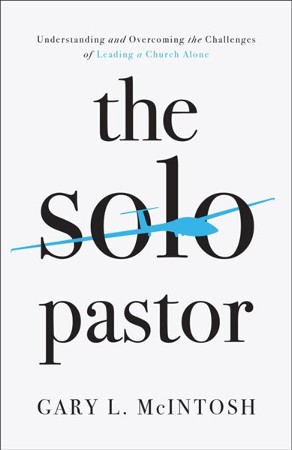
The Solo Pastor: Understanding and Overcoming the Challenges of Leading a Church Alone by Gary L. McIntosh

“Being a pastor is a complex and demanding role, especially for someone leading alone. The majority of pastors find themselves in this position, leading their smaller church with no additional professional assistance. The challenges are many, including loneliness, isolation, self-doubt, overwhelm, feelings of inadequacy, and a constant search for additional resources and volunteers. Where does a solo pastor turn for help and encouragement?

With compassion and plenty of proven, practical strategies, church consultant and former solo pastor Gary L. McIntosh steps in to fill the void.”

The Coddling of the American Mind: How Good Intentions and Bad Ideas Are Setting Up a Generation for Failure by Jonathan Haidt

“Something has been going wrong on many college campuses in the last few years. Speakers are shouted down. Students and professors say they are walking on eggshells and are afraid to speak honestly. Rates of anxiety, depression, and suicide are risingโ€”on campus as well as nationally. How did this happen?

First Amendment expert Greg Lukianoff and social psychologist Jonathan Haidt show how the new problems on campus have their origins in three terrible ideas that have become increasingly woven into American childhood and education: What doesnโ€™t kill you makes you weakeralways trust your feelings; and life is a battle between good people and evil people. These three Great Untruths contradict basic psychological principles about well-being and ancient wisdom from many cultures.  Embracing these untruthsโ€”and the resulting culture of safetyismโ€”interferes with young peopleโ€™s social, emotional, and intellectual development. It makes it harder for them to become autonomous adults who are able to navigate the bumpy road of life.

Lukianoff and Haidt investigate the many social trends that have intersected to promote the spread of these untruths. They explore changes in childhood such as the rise of fearful parenting, the decline of unsupervised, child-directed play, and the new world of social media that has engulfed teenagers in the last decade. They examine changes on campus, including the corporatization of universities and the emergence of new ideas about identity and justice. They situate the conflicts on campus within the context of Americaโ€™s rapidly rising political polarization and dysfunction.

This is a book for anyone who is confused by what is happening on college campuses today, or has children, or is concerned about the growing inability of Americans to live, work, and cooperate across party lines.”

Resurrection Hope and the Death of Death by Chase Mitchell

“Death is a powerful and sobering reality. While everyone must face death, it is not the end for those united with Christ. Followers of Jesus Christ have resurrection hopeโ€•the proclamation that Christ has defeated death and the promise that believers shall share in his victory. The resurrection is essential to the Christian faith and is rooted in the faithfulness of God. 

With scholarly insight, Mitchell L. Chase traces the theme of resurrection hope throughout Scripture, walking through each section of the Bible from the Law to Revelation. Having a proper understanding of death and resurrection will not only stir up our soberness for the reality of sin and death, but it will also motivate our praise to God.”

Christ-Centered Preaching: Redeeming the Expository Sermon by Bryan Chapell

“In this complete guide to expository preaching, Bryan Chapell teaches the basics of preparation, organization, and delivery–the trademarks of great preaching. This new edition of a bestselling resource, now updated and revised throughout, shows how Chapell’s case for expository preaching reaches twenty-first-century readers.”

The Vanishing American Adult: Our Coming-of Age Crises and How to Rebuild a Culture of Self-Reliance by Ben Sasse

“In an era of safe spaces, trigger warnings, and an unprecedented election, the country’s youth are in crisis. Senator Ben Sasse warns the nation about the existential threat to America’s future.

Raised by well-meaning but overprotective parents and coddled by well-meaning but misbegotten government programs, America’s youth are ill-equipped to survive in our highly-competitive global economy. 

Many of the coming-of-age rituals that have defined the American experience since the Founding: learning the value of working with your hands, leaving home to start a family, becoming economically self-reliantโ€•are being delayed or skipped altogether. The statistics are daunting: 30% of college students drop out after the first year, and only 4 in 10 graduate. One in three 18-to-34 year-olds live with their parents. 

From these disparate phenomena: Nebraska Senator Ben Sasse who as president of a Midwestern college observed the trials of this generation up close, sees an existential threat to the American way of life.

In The Vanishing American Adult, Sasse diagnoses the causes of a generation that can’t grow up and offers a path for raising children to become active and engaged citizens. He identifies core formative experiences that all young people should pursue: hard work to appreciate the benefits of labor, travel to understand deprivation and want, the power of reading, the importance of nurturing your bodyโ€•and explains how parents can encourage them.

Our democracy depends on responsible, contributing adults to function properlyโ€•without them America falls prey to populist demagogues. A call to arms, The Vanishing American Adult will ignite a much-needed debate about the link between the way we’re raising our children and the future of our country.”

Is Our Technology in its Proper Place?

How can we determine if our technology is in its proper place? How can we tell when itโ€™s out of its proper place? Iโ€™ve been readingย The Tech-Wise Family: Everyday Steps for Putting Technology in Its Proper Placeย by Andy Crouch. This is how he answered these questions:

Technology is in its proper place when it helps us bond with the real people we have been given to love. Itโ€™s out of its proper place when we end up bonding with people at a distance, like celebrities, whom we will never meet.

Technology is in its proper place when it starts great conversations. Itโ€™s out of its proper place when it prevents us from talking with and listening to one another.

Technology is in its proper place when it helps us take care of the fragile bodies we inhabit. Itโ€™s out of its proper place when it promises to help us escape the limits and vulnerabilities of those bodies together.

Technology is in its proper place when it helps us acquire skill and mastery of domains that are the glory of human culture (sports, music, the arts, cooking, writing, accounting; the list could go on and on). When we let technology replace the development of skill with passive consumption, something has gone wrong.

Technology is in its proper place when it helps us cultivate awe for the created world we are part of and responsible for stewarding. . . Itโ€™s out of its proper place when it keeps us from engaging the wild and wonderful natural world with all our senses.

Technology is in its proper place only when we use it with intention and care. If thereโ€™s one thing Iโ€™ve discovered about technology, itโ€™s that it doesnโ€™t stay in its proper place on its own; much like my childrenโ€™s toys and stuffed creatures and minor treasures, it finds its way underfoot all over the house and all over our lives. If we arenโ€™t intentional and careful, weโ€™ll end up with a quite extraordinary mess.

On My Shelf: January-March

Here’s a behind-the-scenes glance at what I’ve been reading this year. I’ve added a brief book description from Amazon to give you a taste of what each book is about. Perhaps one of these books will garner your attention and compel you to add it to your cart! But let me mention a few things before you start scrolling:

  • Just because I read a book doesn’t mean I agree with everything in it
  • I’ve found all of these books helpful
  • I’ve found some of these books more helpful than others
  • These books are listed in the order I read them

Embracing Complementarianism: Turning Biblical Convictions into Positive Church Culture by Graham Beyond and Jane Tooher

“It can be tempting to shy away from addressing the issue of gender roles in church because itโ€™s often controversial. But this can result in churches either being increasingly influenced by secular culture or simply sticking with the status quo when it comes to what men and women do in church. 

Building on the belief that complementarianism is both biblical and positive, this book focuses on what these convictions look like in practice. Moving beyond the familiar discussions around “gender roles”, and leaving room for variety in how readers implement these ideas, it will encourage a church culture where men and women truly partner togetherโ€”embracing their privileges and responsibilities, and maximizing their gifts, in joyful service of Godโ€™s kingdom.”

Pure: Why the Bible’s Plan for Sexuality Isn’t Outdated, Irrelevant, or Oppressive by Dean Inserra

“Few things bring more immediate scrutiny and impassioned angst among young adult Christians today than hearing the words โ€œpurity culture.โ€ Serious flaws from purity culture deserve to be scrutinized, especially given its lasting negative effects on some raised in the movement. Many Christians today reject the movementโ€”and all that it stood forโ€”wholesale. However, we canโ€™t ignore the clear sexual ethics of the Bible. Pure dives into the big picture of Godโ€™s design for men and women regarding sexuality, and seeks to reclaim one of the clearest teaching in the scriptures: the call to sexual purity. While purity culture gets the truth right, the approach and gospel elements it espouses are often wrong. Letโ€™s not throw the baby out with the bath water, but rather celebrate Godโ€™s great design for marriage and the loving boundaries he has put in place for our joy, protection, and flourishing.”

Chasing Contentment: Trusting God in a Discontented Age by Erik Raymond

The biblical practice of contentment can seem like a lost artโ€•something reserved for spiritual giants but out of reach for the rest of us. In our discontented ageโ€•characterized by impatience, overspending, grumbling, and unhappinessโ€•itโ€™s hard to imagine what true contentment actually looks (and feels) like. But even the apostle Paul said that he learned to be content in any and every circumstance. Paulโ€™s remarkable contentment was something grown and developed over time.

In Chasing Contentment, Erik Raymond helps us understand what biblical contentment isโ€•the inward gracious spirit that joyfully rests in Godโ€™s providenceโ€•and then how we learn it. Giving us practical guidance for growing in contentment in various areas of our lives, this book will encourage us to see contentment as a priority for all believers. By Godโ€™s grace, it is possible to pursue the high calling of contentment and anchor our joy in God himself rather than our changing circumstances.

Grace at Work: Redeeming the Grind and the Glory of Your Job by Bryan Chapell

“For many people, their job is merely โ€œthe daily grindโ€ needed to provide for family or pay the bills. Yet our work is a vital means for fulfilling Godโ€™s purpose for our lives and displaying his grace to those around us. We bear Godโ€™s image in our workplaces, experiencing his blessings and expressing his nature through our efforts, integrity, creativity, generosity, and excellence. No earthly chore is without the opportunity to observe his divine hand. No challenge in task or relationship is without opportunity to represent Godโ€™s heart. 

In this book, author and pastor Bryan Chapell shares this biblical perspective of vocation, explaining how God gives purpose to our work by making it an instrument of his grace to our own hearts, as well as a way of bringing his goodness and glory into our world. Chapell explains how we can worship God by our work, rising above drudgery, duty, or self-interest with the understanding that our jobs are unique callings for displaying Godโ€™s character and care. Our work is worship when we see the glory beyond the grind, the mission in the mundane, and the grace at work.”

Authentic Ministry: Serving from the Heart by Michael Reeves

“Where does authentic ministry lie? The answer of this book is: in the heart. Authentic ministry is not simply a matter of mastering professional skills or of endlessly pouring oneself out in works of service. Rather, it springs from joyful union with Christ.

Authentic Ministry offers practical guidance and spiritual nourishment for all who serve the church. Each of the nine chapters orients readers to the โ€œone thing [that] is necessaryโ€ (cf. Luke 10:42)โ€”abiding in Christโ€”while asking and answering questions both simple and profound: What is prayer? How should I respond to suffering? Who is my friend? What is theology? What does it mean to love?”

Lloyd-Jones on the Christian Life: Doctrine and Life as Fuel and Fire by Jason Meyer

“Martyn Lloyd-Jones, commonly referred to as โ€œthe Doctor,โ€ had a successful career in medicine before abandoning it all to become a preacher in London. His sermonsโ€•displaying the life-changing power of biblical truthโ€•diagnosed the spiritual condition of his congregation and prescribed the gospel remedy.

This study of Lloyd-Jonesโ€™s life will encourage and exhort readers to consider the role of the knowledge of God, the power of the Spirit, and the fullness of Christ in their daily lives, allowing them to discover the inseparable union of doctrine and the Christian life.”

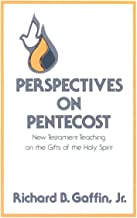
Perspectives on Pentecost: New Testament Teaching on the Gifts of the Holy Spirit by Richard Gaffin

“With exegetical depth, objectivity, and clarity Richard B. Gaffin examines prophecy and tongues and makes a case for the cessation of both gifts at the close of the apostolic era.

Pentecost is presented as integral to the once-for-all work of Christ and decisive for the life of the whole church. Dr. Gaffin’s biblical-theological perspective is thorough: he defines all the spiritual gifts generally; he clarifies the nature of prophecy and tongues and the question of their continuance in the church today; and he indicates how these exegetical studies bear on contemporary interest in charismatic gifts.

Perspectives on Pentacost dispels the emotionalism and confusion now surrounding the Charismatic Movement. It is a reliable study for all Bible students and an especially helpful handbook for those either associated with the Charismatic Movement or who must deal with friends or family members involved in tongues-speaking experiences.”

How to Speak a Sermon: So That People Will Listen by Larry Trotter

“A powerful sermon must have not only clearly organized biblical content but also engaging delivery. How to Speak a Sermon is about sermon delivery, particularly extemporaneous sermon delivery. Combining biblical principles with the best insights of the ages and personal experiences, it explains the power and pitfalls of extemporaneous speech, how to develop speaking ability, and why preaching method matters.”

The Titus Ten: foundations for Godly Manhood by Josh Smith

“Everything in a manโ€™s life hinges on the kind of man he is. Yet, none of us is naturally a godly man. That’s something we have to learn, pursue, and cultivate. We need a manual to help us. This book is a manual for becoming the kind of man God intends for you to be, and leading other men to do the same. Taking ten qualities from the Apostle Paul’s short letter to his mentee Titus, The Titus Ten will help you grow in your understanding of the gospel, your identity, your character, your doctrine, and more. Each chapter includes questions for reflection and discussion, to both process the way the Lord is growing you, and read in a group with other men. As you grow in these areas of your life, you’ll become the kind of man God desires to use in your family, your church, and the world.”

Gender Ideology: What Do Christians Need to Know? By Sharon James

“The world has embraced the idea that gender is something that can be decided by individuals. As Christians encounter colleagues, friends and family members who identify as a gender other than the one they were born, we need to be informed and equipped with knowledge about what the issues are, what different terms mean and what the Bible has to say about these things. While we walk the line between loving our neighbour and not buying into the worldโ€™s lies, Sharon James helps us in this informative and practical guide.”

Spurgeon and the Poor: How the Gospel Compels Christians Social Concern by Alex Diprima

Spurgeon and the Poor is a fascinating study into the life and ministry of Charles Haddon Spurgeon, exploring his understanding of the place of benevolence in the ministry of the local church. Alex DiPrima examines the way Spurgeon’s belief that gospel preaching and soul-winning formed the church’s mission informed his view of social concern as a compelling argument for its power. Readers will gain insight into Spurgeon’s theology and experience as he ministered to the oppressed through ministries, private philanthropy, and public advocacy.”

The Tech-Wise Family: Everyday Steps for Putting Technology in its Proper Place by Andy Crouch

“Making conscientious choices about technology in our families is more than just using internet filters and determining screen time limits for our children. It’s about developing wisdom, character, and courage in the way we use digital media rather than accepting technology’s promises of ease, instant gratification, and the world’s knowledge at our fingertips. And it’s definitely not just about the kids.

Drawing on in-depth original research from the Barna Group, Andy Crouch shows readers that the choices we make about technology have consequences we may never have considered. He takes readers beyond the typical questions of what, where, and when and instead challenges them to answer provocative questions like,ย Who do we want to be as a family?ย andย How does our use of a particular technology move us closer or farther away from that goal?ย Anyone who has felt their family relationships suffer or their time slip away amid technology’s distractions will find in this book a path forward to reclaiming their real life in a world of devices.”

Commentaries on Ephesians

I appreciate when other pastors and teachers recommend commentaries, so here are the commentaries I’ve been using as I walk through the book of Ephesians with our student ministry at First Baptist Church Longville.

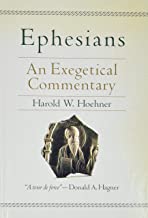
Ephesians: An Exegetical Commentary by Harold W. Hoehner

“Harold Hoehner has taught biblical exegesis to thousands of students over the years. He now brings that experience to bear on this important work.

He begins with a helpful introduction to the letter of Ephesians in which he addresses issues of authorship, structure and genre, historical setting, purpose, and theology. At the end of the introduction, the author includes a detailed bibliography for further reading. Hoehner then delves into the text of Ephesians verse by verse, offering the Greek text, English translation, and detailed commentary. He interacts extensively with the latest scholarship and provides a fair and thorough discussion of every disputed point in the book.

Pastors, students, and scholars looking for a comprehensive treatment on Ephesians will be interested in this commentary. Hoehner’s interaction with the latest scholarship combined with his detailed exegesis will make this new commentary the only resource they will need to consult.”

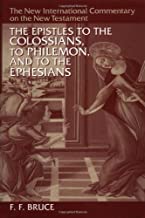
The Epistles to the Colossians, to Philemon, and to the Ephesians by F.F. Bruce

“‘. . . undertaken to provide earnest students of the New Testament with an exposition that is thorough and abreast of modern scholarship and at the same time loyal to the Scriptures as the infallible Word of God.’ This statement reflects the underlying purpose of The New International Commentary on the New Testament. Begun in the late 1940s by an international team of New Testament scholars, the NICNT series has become recognized by pastors, students, and scholars alike as a critical yet orthodox commentary marked by solid biblical scholarship within the evangelical Protestant tradition.

While based on a thorough study of the Greek text, the commentary introductions and expositions contain a minimum of Greek references. The NICNT authors evaluate significant textual problems and take into account the most important exegetical literature. More technical aspects โ€” such as grammatical, textual, and historical problems โ€” are dealt with in footnotes, special notes, and appendixes.”

The Message of Ephesians by John Stott

“A common blind spot for evangelical Christians is to overlook the central importance of the church, emphasizing individual salvation more than the saved community.ย Yet no one can come away from a careful reading of Ephesians with a privatized gospel. Paul’s letter to the Ephesians clearly sets forth God’s eternal purpose to create the churchโ€•God’s new society.

In this revised Bible Speaks Today volume, John Stott expounds Paul’s theme of uniting all things in Christ by uniting his church. Guiding readers passage by passage through Ephesians, he provides helpful background, highlights key themes, and offers applications for Christians today. Drawing from his many years of studying and teaching Ephesians, Stott lays out the book’s compelling vision of what the church should be and its ongoing need for renewal. Christians are called to new life, new standards, and new relationships within the new society, where God breaks down all the barriers that have divided us from God and each other.”

Commentaries on the Epistles of Paul to the Galatians and Ephesians by John Calvin

Calvinโ€™s Commentariesย are, in the words of Philip Schaff, one of the few exegetical works that have outlived their generation. Calvin preached and wrote prolifically on the Bible. His commentaries display a rare combination of exegetical insight, pastoral concern, and theological depth which have inspired generations of Christians.”

The Book of Titus: A Theology of Good Works

The theme of good works is a dominant theme in the book of Titus (Titus 1:16; 2:7, 14; 3:1, 8, 14). โ€œThe fundamental teaching of the epistle is that the redemptive work of God in Christ must lead to changed lives,โ€ William Mounce argues, โ€œthat Christ sacrificed himself to โ€˜redeem us from all lawlessness and cleanse for himself a special people, zealots for good works.โ€™โ€ And in this blog, I want to examine what Paul says about good works so we can develop a proper theology of good works.

Before I get started, though, let me give you a brief definition of a good work: a good work is any action or speech that honors our Lord and helps our neighbor. With good works defined, we are ready to look at a couple foundation stones for our theology of good works.

Foundation Stone #1: We Are Not Saved because of our Good Works

To properly understand good works, we must start here: God did not save us because of our good works. Before God saved us, we were dead in sin. We were not spiritually unconscious and waiting for a spiritual awakening. No! We were spiritually dead and buried in the muck and mire of sin. We were โ€œfoolish, disobedient, led astray, slaves to various passions and pleasures, passing our days in malice and envy, hated by others and hating one anotherโ€ (Titus 3:3). We were spiritually lifeless, and we needed God to resurrect us.

Thankfully, at Godโ€™s appointed time and in accordance with Godโ€™s immeasurable grace in Christ, He gave us life. God illuminated our minds, replaced our hearts of stone with hearts of flesh, and drew us to Christ. โ€œBut when the goodness and loving kindness of God our Savior appeared,โ€ Paul says, โ€œHe saved usโ€ (Titus 3:3-5). While we were spiritually dead and buried in the muck and mire of sin, God graciously breathed new life into us and resurrected us from our spiritual graves.

This had nothing to do with our works, our futile and defective religious deeds. Paul makes this clear: God โ€œsaved us, not because of works done by us in righteousness, but according to his own mercyโ€ (Titus 3:5; emphasis added). In other words, our salvation in Christ is not because of our works, it is because of Godโ€™s work. God is the giver of our salvation, and we are the recipients. God is the subject of our salvation, and we are the objects. A proper theology of good works must start here.

Foundation Stone #2: We Are Saved for Good Works

How would you answer this question: โ€œWhy did Jesus die as a substitute for sinners?โ€ You could answer this in various ways: 1) to save us, 2) to deliver us from the penalty of sin, 3) to give us eternal life, or 4) to reconcile us to God. These are great answers. But how many of you would also say, โ€œOne reason Jesus died was to save a people for Himself who are zealous for good worksโ€? Based on my conversations with Christians, not many.

Here is the problem, though, this themeโ€”divine deliverance for the sake of God-honoring serviceโ€”is a major theme in the Bible. โ€œGo into Pharaoh and say to him, โ€˜thus says the Lord, โ€˜Let my people go that they may serve meโ€™โ€ (Exodus 8:1; emphasis added). And this theme is found in the book of Titus. Paul says that Jesus gave himself for us โ€œto redeem us from all lawlessness and to purify for himself a people for his own possession who are zealous for good worksโ€ (Titus 2:13-14; emphasis added). Paul is clear, Jesus died to create a people who are zealous and enthusiastic for good works. So, Jesus did not hang on a Roman cross because of our good works, but He did hang on a Roman cross to create a people for Himself who have an unquenchable zeal for good works. Our theology of good works must include this.

The Role of Good Works: They Help Our Neighbors

We are not saved for good works because God needs our good works. God does not need anything, especially our good works. He does not sleep or slumber, eat or drink, or wear out or rust out. He does not need clothing, nor does He need advancements in modern medicine. This is the โ€œGod who made the world and everything in it.โ€ He is Lord of heaven and earth. He โ€œdoes not live in temples made by man, nor is he served by human handsโ€ (Acts 17:24-26).

Well, why are we saved for good works? It is because our neighbors need our good works. We live in a fallen world wrecked with the inevitable consequences of sin. Death leaves people childless and spouseless. Disease leaves people hurt and in despair. Disasters leave communities ravaged and desolate. Involuntary unemployment leaves families anxious and in need. Divorce leaves families fractured and splintered. Sexual sin leaves people worn out and ruined. Rebellious children leave parents discouraged and in anguish. We can go on and on. This fallen world leaves people with a variety of urgent needs. 

And God saved us for good works so we could demonstrate our love for Him by aiding our neighbors: โ€œAnd let our people learn to devote themselves to good works, so as to help cases of urgent need, and not be unfruitfulโ€ (Titus 3:14; emphasis added). We are commanded to spend ourselves doing good to meet our neighborโ€™s urgent needs.

The Role of Good Works: They Increase Our Fruitfulness

Good works increase our fruitfulness. You probably noticed this in the verse I previously referenced: โ€œAnd let our people learn to devote themselves to good works, so as to help cases of urgent need, and not be unfruitfulโ€ (Titus 3:14; emphasis added). God is glorified in us when we bear much fruit. One way we become increasingly fruitful in the Christian life is by selflessly devoting ourselves to good works for Christโ€™s namesake. 

Paul prayed for this type of increased fruitfulness for other Christians: โ€œAnd so, from the day we heard, we have not ceased to pray for you, asking that you may be filled with the knowledge of his will. . . bearing fruit in every good work and increasing in the knowledge of Godโ€ (Colossians 1:9-10; emphasis added). Paulโ€™s prayer teaches us two things: 1) spiritual fruit springs from good works, and 2) God is the one who ultimately enables us to bear fruit in every good work. So, let us selflessly devote ourselves to good works, and let us eagerly petition God to bless our labors and enable us to bear more and more fruit.

The Role of Good Works: They Adorn the Gospel

Above all, good works adorn the gospel. Just think about the gospel of Jesus Christ. The gospel is a message about how God has acted in the person of Jesus Christ to save sinners. When we proclaim the gospel, we proclaim words, sentences, and paragraphs about what Jesus Christ has done. And the clear proclamation of the gospel is the most beautiful proclamation of all.

The message of the gospel, though, can be adorned with our good works. Paul makes this clear when he says, โ€œBondservants are to be submissive to their own masters in everything; they are to be well-pleasing, not argumentative, not pilfering, but showing all good faith, so that in everything they may adorn the doctrine of God our Saviorโ€ (Titus 2:9-10; emphasis added). When we adorn something, we make it attractive. The Jewish temple was โ€œadorned with noble stonesโ€ (Luke 21:5). Women should โ€œadorn themselves in respectable apparelโ€ (1 Timothy 2:9). It is what a bride does on her wedding day. She is already gorgeous, but she becomes even more eye-popping when she adorns herself in a radiant wedding dress.

So, when slaves submit to their masters instead of arguing with and stealing from their masters, they adorn the gospel of Jesus Christ, they make it attractive to their masters. And when we, as blood-bought Christians, devote ourselves to good works, we adorn the gospel to the outside world, we make it eye-popping to unbelievers.

We proclaim the good news of the gospel with words, but we adorn the good news of the gospel with good works.

Application: Be Ready for Good Works

Paul tells us to be ready for every good work: โ€œRemind them to be submissive to rulers and authorities, to be obedient, to be ready for every good work. . .โ€ (Titus 3:1; emphasis added). To โ€œbe readyโ€ means we need to be prepared. This is why Jesus tells us to be ready for His Second coming: โ€œTherefore you also must be ready, for the Son of Man is coming at an hour you do not expectโ€ (Matthew 24:44; emphasis added). Because Jesus will return at an unexpected hour, He wants us to live in a constant state of readiness. He wants us to be prepared.

And Paul wants us to have this same mindset when it comes to every good work. Since God has prepared good works for us to walk in (Ephesians 2:10), Paul commands us to be ready, to live in a constant state of preparedness to walk in these good works.

Application: Be Carefully Devoted to Good Works

Paul also tells us to be carefully devoted to good works: โ€œThe saying is trustworthy, and I want you to insist on these things, so that those who have believed in God may be careful to devote themselves to good worksโ€ (Titus 3:8; emphasis added). The phrase โ€œbe carefulโ€ means to pay close attention to something. Just think about a teacher who instructs her students to carefully read the instructions before answering the questions on their exams. She wants them to pay close attention to the instructions. 

And the term โ€œdevoteโ€ means to seriously apply yourself to something. I constantly tell the youth in our church to devote themselves to the study of Godโ€™s word. I want them to seriously apply themselves, to employ their time and energy, to the study Godโ€™s word.

Let us put these together. When the Bible tells us to carefully devote ourselves to good works, God is telling us to have a thoughtful approach to the continuation of good works, and to seriously apply ourselves to the completion of good works.

Warning: Good Works Display the Authenticity of our Faith

The Bible clearly teaches these two truths: 1) a living faith in Christ is evidenced by good works, and 2) a false faith is evidenced by ungodly works. Jesus teaches this. โ€œWhoever has my commandments and keeps them, he it is who loves meโ€ (John 14:21). He goes on to say, โ€œWhoever does not love me does not keep my wordsโ€ (John 14:24). Our love for Christ evidences itself by our obedience to His commands. Our lack of love for Christ evidences itself by our disobedience to His commands.

The book of Titus teaches this as well. If Christโ€™s death secured His peopleโ€™s zeal for good works, then our zeal for good works will show that we are truly among His people. On the other hand, if Christโ€™s death secured His peopleโ€™s zeal for good works, then the absence of good works will evidence that we are not among his people. 

Paul even alludes to this after he commands Titus to rebuke false teachers. He says the false teachers โ€œprofess to know God, but they deny him by their works. They are detestable, disobedient, unfit for any good workโ€ (Titus 1:16; emphasis added). The false teachers are phoniesโ€”their works make this evident. And since they are phonies who remain dead in sin, they are unfit for any good work. As you can see, good works display the authenticity, or inauthenticity, of our faith.

Applying Godโ€™s Word

First, and perhaps most importantly, we must remember this, Godโ€™s love for us does not wax and wane based on the amount of good works we do. Because we are in Christ, God has loved us with an everlasting love. He loved us while we were dead in sin, and He most certainly loves us now that we are alive in Christ. This means He loves us when we fumble in bumble throughout the Christian life, even when we neglect to carefully devote ourselves to good works. 

Second, we must strive to eliminate time-consuming activities that hinder us from a life of good works. God has generously given us many good gifts such as T.V., movies, social media, sports, and certain hobbies. We are supposed to master these good gifts and use them to maximize our joy in Christ. Sadly, though, these good gifts often end up mastering us. These things begin to consume too much of our time, energy, and money. And when these good gifts take up too much of our precious resources, we end up with fewer resources that we can utilize to carry out good worksโ€”works that honor our Lord, aid our neighbor, and increase our fruitfulness.

Third, make a list of good works you want to fulfil throughout a day, week, or month. Sure, many of the good works God has prepared for us appear out of nowhere and require our spur-of-the-moment obedience. Some good works, though, can be planned out. Because of this, try to plan out some good works: 1) list out a few people you desire to encourage when you gather with your church on a Sunday morning, 2) write down a couple widows or widowers you desire to visit, or 3) plan a discipleship date with one of your children. I believe this discipline, planning out good works, will enable us to live a purposeful and fruitful Christian life.

Fourth, we need to understand that most of our good works will take place at home, church, and work. The average Christian spends most of their time in these places. So, to be maximally fruitful, we need to strategically devote ourselves to good works in these places. This means the people who will benefit most from our good works are our families, fellow church members, and co-workers.

And lastly, we need to have a war-time mentality. A little over two years ago, the region I live in was dismantled by a category four hurricane. The destruction was catastrophic. It looked like a massive shrapnel grenade blew up and damaged everything in sight. This whole area looked like a region ravaged by war. At this point, amid the destruction, our beaten and bruised church became a base of operations for disaster relief efforts. 

We immediately began to process and fulfill hundreds of work orders. We had a chainsaw crew devoted to clearing roads, driveways, and yards. We had a tarp crew dedicated to tarping damaged roofs. We set up a supply and distribution center to distribute goods to those with urgent needs. And, as we did all this, we sought to encourage and pray for those we served. In other words, we were devoted to good works. And I think we were so careful to devote ourselves to good worksโ€”to the continuation and completion of good worksโ€”because we, as a church, had a war-time mentality.

Well, how can we develop a war-time mentality when it does not feel like a time of war? We need to understand the spiritual war we are currently in. Satan and his demons wreak more havoc on a day-to-day basis than any category four hurricane could inflict in a lifetime. We are definitely in a time of war, an unseen and spiritual war, but a real war! And since we are in a time of war, we, as followers of Christ, should urgently and strategically do good works, works that honor the Lord Jesus Christ and aid our neighbors.