On My Shelf: January-March

Hereโ€™s a behind-the-scenes look at what Iโ€™ve been reading over the past few months. Iโ€™ve included a brief description of each book from Amazon to give you a taste of what theyโ€™re about. Perhaps one of these titles will catch your interest and motivate you to add it to your cart! Before you start scrolling, let me mention some things about these books:

  • I donโ€™t agree with every point in every book I read.
  • Iโ€™ve found all of these books to be helpful.
  • Iโ€™ve found some of these books to be more helpful than others.

Daily Doctrine: A One-Year Guide to Systematic Theology by Kevin DeYoung
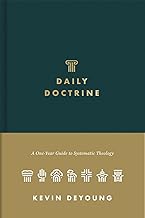
All thoughtful Christians want to better understand the Bible, its author, and its influence on their beliefs. In shortโ€•whether they recognize it or notโ€•they want to understandย theology. But many find the subject matter too academic, dense, or difficult to understand, and they lack proper study resources to help expand their knowledge of God and his written word.

Designed to make systematic theology clear and accessible for the everyday Christian, this devotional walks through the most importantย theologicalย topics over the course of a year.ย Each month is categorized into broad themes, starting with the study of God and concluding with the end times.ย Written by bestselling author andย associate professor of systematic theology Kevin DeYoung,ย each concise daily reading contains verses for meditation and application, building upon each other and easingย readers into the study of systematic theology.ย 

  • Written for Thoughtful Christians:ย Offers pastors, ministry leaders, and everyday Christians access to a theologically rich yet accessible studyย 
  • One-Year Plan:ย Daily readings build off one another to help ease readers into systematic theologyย 
  • Covers Important Theological Topics:ย Each month covers a different broad theological topic, including mankind, salvation, the church, end times, and more
  • Written by Kevin DeYoung:ย Pastor, bestselling author, and associate professor of systematic theology

Theo of Golden: A Novel by Allen Levi

โ€œA word-of-mouth smash hit.โ€ย โ€”The New York Times

One spring morning, a stranger named Theo arrives in the small Southern city of Golden. He doesn’t explain much about where he came from or why he’s thereโ€”but when he visits the local coffeehouse, where pencil portraits of the people of Golden hang on the walls, he begins purchasing them, one at a time, and giving each portrait to the person depicted. In exchange, he asks only for the person’s story. And so portrait by portrait, person by person, secrets are revealed, regrets are shared, and ordinary lives are profoundly altered.

A story of giving and receiving, of seeing and being seen, Theo of Golden is an unforgettable novel about the power of generosity, the importance of connection, and the quiet miracles that happen when we choose kindness and wonder.

Lies My Therapist Told Me: Why Christians Should Aim for More Than Just Treating Symptoms by Greg Gifford
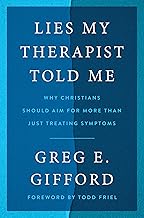
From beloved Christian counselor, professor, and podcaster Greg Gifford comes a bold and balanced critique of the mental health establishment. Too many people are caught in a vicious cycle of visiting every doctor, psychiatrist, psychologist, and therapist in their area only to find frustrating labels and numbing medications at the end of each path. Rather than eradicating anxiety in the same way vaccines conquered smallpox, the mental health establishment has seen the number of diagnoses and prescriptions skyrocket on its watch.

How did we get here? And does Christianity have any answers for this mental health crisis? Inย Lies My Therapist Told Me, Dr. Greg Gifford delivers the definitive Christian critique of secular psychiatry and psychology. He shows how mental health culture spreads beliefs that misinform our understanding of ourselves and our issues, and he debunks popular myths such as:

  • We feel and act the way we do because the body keeps the scores of trauma
  • Addiction is a disease
  • If you improve your brain health, your mind will follow
  • Medications can heal your mind
  • Every abnormal or sinful behavior is caused by a mental disorder

These ideas, though common, are ultimately unhelpful because they are based on unbiblical assumptions. Gifford brings clarity where secular therapy has created confusion, and offers hope even for those struggling with the hard cases. Through deep research, biblical teaching, and the inspiring stories of real counselees, he shows why we canโ€™t blame the pastโ€”or even a diagnosisโ€”for our bad behavior, and why our societyโ€™s growing unhappiness is not primarily a medical issue.

With a foreword by Todd Friel of Wretched Radio, this book is a must-read for counselors and counselees alike. You can read all the mental health research in the world, but you still wonโ€™t learn Godโ€™s answers for winning the battles in your mind. Lies My Therapist Told Me is a powerful, cutting-edge argument that the supernatural wisdom of the Bible is truly enough for every need.

Redeeming Sex in Marriage: How the Gospel Rescues Sex, Transforms Marriage, and Reveals the Glory of God by Scott Mehl
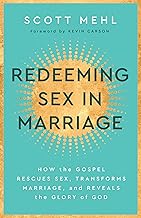
Scott Mehl has created a solid resource to help the church talk openly and biblically about sex and more specifically about intimacy in marriage. While the world insists on redefining what the Lord created to be good, worshipful, and glorifying, Mehl’s book clarifies God’s design for sex and how to joyfully experience it in our marriages. Bringing careful thinking and biblical clarity to the practical questions many believers wrestle with today, Redeeming Sex in Marriage is not just for pastors or counselors but for every married couple in the church.–Shauna Van Dyke, Founder and Biblical Counselor, Truth Renewed Ministries

Scott Mehl has written an important book on an important topic. Christians need to understand God’s design for the sexual aspect of marriage, and Mehl’s book will help. It is a tactfully written, practical book, filled with Scripture, and a resource for counselors who provide care for husbands and wives who need direction.–Caroline Newheiser, ACBC Certified Counselor; Author, When Words Matter Most

We all agree that sex outside marriage is sinful and destructive. This doesn’t, however, imply that sex within marriage is easy. The bodily union of two sinners can be complicated. This book helps Christian married couples to wisely navigate the sexual challenges they face. It is grounded in sound theology and biblical exegesis while also being most practical. It answers the hard, awkward questions directly but discreetly. The greatest thing about this book is that it shows how the gospel can redeem the sexual relationship between husband and wife.–Jim Newheiser, Executive Director, The Institute for Biblical Counseling and Discipleship

Intended for Pleasure: Sex Technique and Sexual Fulfillment in Christian Marriage by Ed Wheat and Gaye Wheat
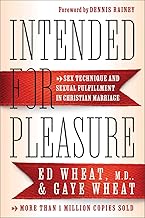
Sex is a gift from God. But many couples don’t experience the kind of joy and fulfillment God intended. If you’ve ever been frustrated with a lack of intimacy in your marriage, or if you just want to know more about how you can get the most out of your relationship,ย Intended for Pleasureย is for you.ย 

This honest and frank resource will answer your questions aboutย sex and sexuality, improving sexual response, sex techniques for pregnancy, birth control, sex at any age, solutions for sexual problems, and much more.

All of the questions you’ve been afraid to ask (or didn’t even know to ask!) are answered right here. A perfect gift for newlyweds and a trusted resource for pastors and marriage counselors, this classic book has helped more than a million people understand and enjoy the gift God intended for pleasure.

Family Discipleship: Leading Your Home through Time, Moments, and Milestones by Matt Chandler and Adam Griffin
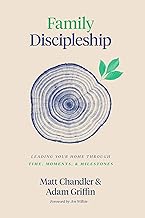
“I’ve never read a book on this subject with so many practical suggestions for bringing a Christian influence on your children.” Donald S. Whitney, author,ย Family Worshipย andย Praying the Bible

Discipling your family can feel like an intimidating task, but it doesnโ€™t need to be overwhelming or complicated. With a simple plan in place, discipleship is something every parent can do.

Pastors Matt Chandler and Adam Griffin have made it their mission to help you develop a sustainable rhythm of gospel-centered discipleship focused in three key areas: time, moments, and milestones. Filled with suggestions, sample plans, and Scripture references, this book begins with the end in mindโ€•equipping you to create a unique plan for your family as you raise your children in the love and fear of the Lord.

  • Aids parents as they seek to raise their children in the faith
  • Provides encouragement for anyone struggling to see the fruit of family discipleship
  • Encourages parents toย develop their own methods and philosophy of family discipleship
  • Focuses on building discipleship structured aroundย 3 pillars: time, moments, and milestones

Father Hunger: Why God Calls Men to Love and Lead Their Families by Douglas Wilson
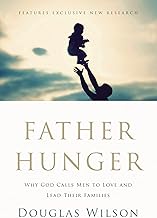
Fatherlessness is a โ€œrot that is eating away at the modern soul,โ€ writes Douglas Wilson, and the problem goes far beyond physical absence. โ€œMost of our families are starving for fathers, even if Dad is around, and thereโ€™s a huge cost to our children and our society because of it.โ€ Father Hunger takes a thoughtful, timely, richly engaging excursion into our cultural chasm of absentee fatherhood. Blending leading-edge research with incisive analysis and real-life examples, Wilson:

  • Traces a range of societal ills, from poverty and crime to joyless feminism and paternalistic government expansion, to a vacuum of mature masculinity
  • Explains the key differences between asserting paternal authority and reestablishing true spiritual fathering
  • Uncovers the corporate-fulfillment fallacy and other mistaken assumptions that undermine fatherhood
  • Extols the benefits of restoring fruitful fathering, from stronger marriages to greater economic liberty

Filled with practical ideas and self-evaluation tools, Father Hunger both encourages and challenges men to โ€œembrace the high calling of fatherhood,โ€ becoming the dads that their families and our culture so desperately need them to be.

God and Country: Upholding Faith, History, and National Identity by John Wilsey
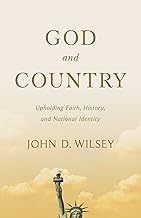
Is nationalism always a threat to Christian faith? In God and Country: Upholding Faith, History, and National Identity, John D. Wilsey argues that nationalism is a complex phenomenon with varied expressions, some dangerously opposed to Christianity, others potentially compatible with a biblical worldview. Wilsey demonstrates how nationalism can become a surrogate religion, even cloaking itself in Christian language, and illustrates that this danger isn’t confined to one side of the political spectrum.   

Examining the unique conditions that have fostered different forms of religiously-infused nationalism in America, this book surveys the origins and pitfalls of nationalism, offering a biblically grounded framework for thinking about God and country. Wilsey provides a crucial perspective for Christians seeking to navigate the treacherous waters of contemporary public discourse and love their nation without falling prey to its most dangerous excesses. 

A Call to Prayer by J.C. Ryle
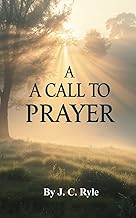
Are you neglecting the most vital discipline of the Christian life? In A Call to Prayer, renowned 19th-century pastor and theologian J.C. Ryle issues a stirring challenge to believers everywhere: make prayer a living, breathing priority. With compelling urgency, Ryle emphasizes that prayer is essential, not optionalโ€”for spiritual growth, for perseverance, and for intimacy with Christ.

First published in the 19th century, this short yet profound work has become a belovedย devotional classic, awakening countless Christians to the necessity and power of daily, personal prayer. With clarity, boldness, and biblical conviction, Ryle reminds readers thatย a prayerless soul is a Christless soulโ€”and that God graciously invites all to seek Him in sincere, fervent prayer. Why readers loveย A Call to Prayer:

  • Aย convicting and encouraging messageย for every Christian, new or mature
  • Ideal forย personal devotions, small group study, or pastoral encouragement
  • A concise yet profoundย Christian classic on the discipline of prayer
  • Written byย J.C. Ryle, one of the most respected voices of evangelical truth and holiness
  • A must-read for those pursuingย spiritual growth, revival, and deeper communion with God

Whether you are struggling in your prayer life or looking to rekindle your spiritual passion, A Call to Prayer will challenge and inspire you to seek God daily with urgency, humility, and hope.


Weโ€™re raising a four-year-old and a two-year-old, so Kahlie and I have found ourselves reading childrenโ€™s books just as often as we read other books. That said, here are some childrenโ€™s books weโ€™ve read to our kids over the past few months. If youโ€™re intoย Pilgrimโ€™s Progress, thenย Little Pilgrimโ€™s Big Journeyย is an absolute must-have! Our daughter LOVES it!

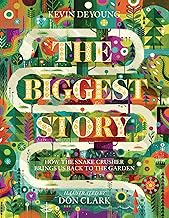
The Biggest Story: How the Snake Crusher Brings Us Back to the Garden by Kevin DeYoung

“Magnificent and memorable.โ€ โ€•Randy Alcorn, author, Heaven

Once upon a time there lived a man and a woman. They were the happiest people on the planet. True, they were the only people on the planet, but they were still terrifically happy. Unfortunately, things didnโ€™t stay happy and wonderful for long . . .”

The Bible is full of exciting stories that fill children with awe and wonder. But kids need to know how all those classic stories connect to Scriptureโ€™s overarching message about Godโ€™s glorious plan to redeem his rebellious people.

Inย The Biggest Story, Kevin DeYoungโ€•a best-selling author and father of nineโ€•leads kids and parents alike on an exciting journey through the Bible, connecting the dots from the garden of Eden to Christ’s death on the cross to the new heaven and new earth.With powerful illustrations by award-winning artist Don Clark, this imaginative retelling of the Bibleโ€™s core messageโ€•how the Snake Crusher brings us back to the gardenโ€•will draw children into the biblical story, teaching them that God’s promises are even bigger and better than we think.ย Ages 5-8 (read to me) Ages 8-11 (read to myself)

Little Pilgrim’s Big Journey: Part One by Tyler Van Halteren
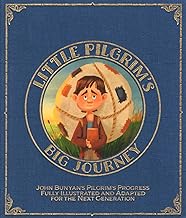
John Bunyan’s Pilgrim’s Progress Fully Illustrated & Adapted for Kids

Follow Christian on his unforgettable journey and help equip your kids to lead a life of faith as they follow the King’s path to the Celestial City. 

Next to the Bible, The Pilgrim’s Progress is the most printed and translated book of all time. John Bunyan’s ability to combine a dynamic adventure story with biblical truth has captivated the minds and hearts of children and adults for centuries. 

With 224 pages of captivating illustrations, Little Pilgrim’s Big Journey makes this life-changing story more engaging than ever for kids. We believe this message of faith and bravery is needed today more than ever, and hope this book will inspire the next generation of ‘little pilgrims’ to believe the King’s Word, follow the King’s Path, and seek the King’s City.

  • Written for ages 2-10
  • Genuine Cloth Cover
  • Gold-Foil Print
  • Ribbon Page Marker
  • 224 Fully Illustrated Pages

Little Pilgrim’s Big Journey: Part Two by Tyler Van Halteren
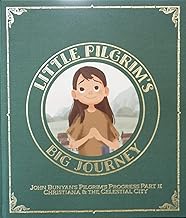
he story continues! John Bunyan published Part II ofThe Pilgrim’s Progress in 1684, six years after the first part. This version features the story of Christiana and includes many new characters and biblical lessons.ย 

This is a book that children will treasure for years to come. The cloth hardcover and gold foil print give it an heirloom feel,ย and the captivating illustrations help to keep younger children engaged.ย 

Part II ofย Little Pilgrim’s Big Journeyย comes with:ย 

  • Genuine Cloth Cover
  • Rounded Spine
  • Gold-Foil Print
  • Ribbon Page Marker
  • 232 Fully Illustrated Pages

Little Pilgrim’s Big Journey: Part Three by Tyler Van Halteren
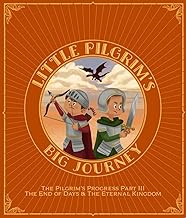
Little Pilgrim’s Big Journey Part III is the epic conclusion to the Little Pilgrim series. Follow Jude, Eli, and Mercy as they seek to fulfill the King’s commission and spread the good news of the Kingdom.

Part III is a completely new story that continues the story introduced in Part I and II.  It combines characters from The Pilgrimโ€™s Progress with stories from Bunyanโ€™s own life, as well as from the New Testament books of Acts and Revelation. This book includes many important biblical lessons, including the role of the church in our journey, the call to evangelism and service, and the glorious hope for all believers.

Part III of Little Pilgrim’s Big Journey comes with: 

  • Genuine Cloth Cover
  • Rounded Spine
  • Gold-Foil Print
  • Ribbon Page Marker
  • 228 Fully Illustrated Pages
  • Chapter Summaries and Questions

The Beginner’s Gospel Story Bible by Jared Kennedy
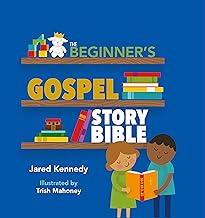
The Beginner’s Gospel Story Bibleย is a gospel-centered, Bible storybook for toddlers and preschoolers with fifty-two Bible stories retold in a simple and compelling way. Author Jared Kennedy traces through the stories of the Old and New Testament how God keeps his promises in surprising ways better than anyone could have ever thought or imagined! Each story highlights for young children God’s story of redemption through Jesus Christ and the unexpected ways that God’s grace and mercy are revealed throughout the Bible.

Children will hear the good news of God’s love for them clearly expressed in ways that will speak to their young hearts. Each story ends with a question that Christian parents and caregivers can use to further reinforce the story. Brightly colored illustrations highlight each story and add fun teaching elements of counting, opposites, patterns, and object recognition to keep even the youngest child’s attention on these important Christian teachings about God’s love.

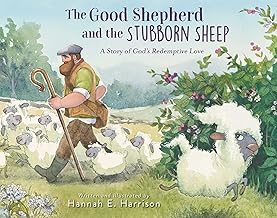
The Good Shepherd and the Stubborn Sheep: A Story of Godโ€™s Redemptive Love by Hannah Harrison

The Good Shepherd and the Stubborn Sheep is a humorous and heartwarming picture book about God’s unconditional love. This story beautifully captures the essence of Psalm 23, showing the importance of trusting God, our Good Shepherd, with our lives.

Meet George, a silly and sometimes stubborn sheep living happily under the care of a Good Shepherd. But when shearing time comes, George decides itโ€™s time to make a run for it, and soon finds himself on a journey full of unexpected disappointment, discomfort, and danger. Ultimately, he finds rescue and learns why he really does need a shepherd.

The Bible is full of references to sheep and shepherds, but what does it mean to be a good shepherd? And how are we like sheep? The Good Shepherd and the Stubborn Sheep uses an unforgettable character and riveting story to bring biblical truth to life for kids and illustrate the many comforting and loving attributes of God.

The Good Shepherd and the Stubborn Sheep is perfect for:

  • Children ages 4 and up
  • Family devotions and bedtime reading
  • Discussions about the meaning of Psalm 23, the parable of the lost sheep, and how God is always with us
  • Sunday school lessons and church libraries
  • Easter baskets, baptism or First Communion gifts, birthday gifts, and other gift-giving opportunities

Article Roundup

He Dawns as Mightyย God by David Mathis

What Does It Mean to Let Our Light Shine? by John Piper

The Deadly Danger of Remodeling Hell by Al Mohler

What About Hell? by Ryan Denton

What Consitutes a True Baptism? by Sam Emadi

Article Roundup

Hereโ€™s a collection of helpful, edifying articles. Perhaps one will capture your attention and encourage you in the Lord. Happy reading!

5 Signs of Dead Faith by Robert Plummer

A dead faith inevitably reveals itself. In this article, Plummer lists five signs of a dead faith from the book of James. “Thus, James instructs us that there are two categories of faithโ€”(1) faith that has works and is thus living and (2) faith that doesย not haveย works and is thus dead. Works and faith are not the same thing. Rather, works are produced by a genuine faith and are, therefore, evidence of it. In fact, Jamesโ€™s explicit language would even call into question my use above of the verb โ€œproduced.โ€ Genuine faithย hasย works. Works are inherent and organic to living, saving faith.”

Top 10 Books of 2025 by Kevin DeYoung

I always enjoy looking through Kevin DeYoung’s top 10 books of any given year. Here are his top 10 books of 2025. “This list is not meant to assess the thousands of good books published in the past year. This is simply a list of the booksโ€”Christian and non-Christian, but all non-fictionโ€”that I thought were the best in the past year. โ€œBestโ€ doesnโ€™t mean I agreed with everything in them; it means I found these booksโ€”all published in 2025โ€”a strong combination of thoughtful, useful, helpful, insightful, and challenging. Undoubtedly, the list each year reflects my own interests and tends to be heavy on history and theology.”

The Gospel Coalition 2025 Book Awards by the TGC Staff

On a similar note, the TGC staff listed out their book awards as well. “The Gospel Coalitionโ€™s annual book awards offer help identifying โ€œsound theological worksโ€ for your enrichment. We work hard to identify some of the best evangelical books published each year. This announcement is the culmination of months of hard work by a big team of book lovers. We receive nominations from publishers in 11 categories. Then our editors work together to recommend finalists in each category. Finally, a panel of judges reads each one carefully before casting their votes.”

“You need to read. Renounce as much as you will all light literature, but study as much as possible sound theological works, especially the Puritanic writers, and expositions of the Bible. We are quite persuaded that the very best way for you to be spending your leisure, is to be either reading or praying.” Spurgeon

No One Drifts into Godliness: Three Resolves for Youngย Men by Erik Thoennes

Erik reminds young men, really all of us, that we must discipline ourselves for the purpose of godliness. “A Christianโ€™s life of discipline mostly looks mundane and unimpressive. We devote ourselves to the word, worship, prayer, proclamation, fellowship, service, suffering, giving, missions, and other basic means of grace that lead to growing intimacy with God and kingdom fruitfulness. Apart from such seemingly mundane discipline, however, we will drift toward despair rather than deeper delight.

What Does It Mean to Have the Christmas Spirit? J.I. Packerโ€™s Answer by Randy Alcorn

Randy Alcorn shares an excerpt from J. I. Packerโ€™s Knowing God that describes what it means to have the Christmas spirit. Itโ€™s a powerful quote. Hereโ€™s a taste: “The Christmas spirit does not shine out in the Christian snob. For the Christmas spirit is the spirit of those who, like their Master, live their whole lives on the principle of making themselves poorโ€“spending and being spentโ€“to enrich their fellow humans, giving time, trouble, care and concern, to do good to othersโ€“and not just their own friendsโ€“in whatever way there seems need.”

A Clarification on Elders


Biblical Foundations for Baptist Churches: A Contemporary Ecclesiology by John Hammett

Nine Marks of a Healthy Church by Mark Dever

Elders in the Life of the Church: Rediscovering the Biblical Model for Church Leadership by Phil Newton and Matt Schmucker

Why Elders? A Biblical And Practical Guide for Church Members by Benjamin Merkle

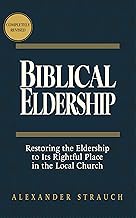
Biblical Eldership: Restoring the Eldership to Its Rightful Place in the Local Church by Alexander Strauch

Church Elders: How to Shepherd God’s People Like Jesus by Jeramie Rinne

The Elder-Led Church: How an Eldership Team Shepherds a Healthy Flock by Murray Capill

The Primacy of Preaching in Christian Ministry

Introductory Statement: The senior pastor serves as the primary preacher and teacher within the local church. This role is essential to the spiritual health of the congregation. And, for the pastor, ministering the Word of God is not merely one task among many; it is the very lifeblood of a pastorโ€™s calling.

“The public ministry of the word is the most responsible part of our workโ€”the grand momentum of Divine agencyโ€”the most extensive engine of Ministerial operation.” Charles Bridges

The Context: In a typical week, I preach and teach three times. Once a month, I also visit nursing homes and assisted living centers, which adds another four messages, bringing the total to seven messages during that week. While this can be demanding, especially for a young pastor trying to figure things out, these opportunities to proclaim and teach God’s Word are important to my ministry. Each opportunity, whether in the pulpit, behind a music stand, or in care homes, represents an important aspect of my calling.

The Concern: Since I’ve been here, a few well-meaning people have suggested that I lessen my preaching and teaching load to prioritize visiting members and participating in community events, functioning like a community chaplain. While I appreciate their concern and the heart behind their counsel, this shift would ultimately detract from my central calling: the ministry of the Word.

“The supreme work of the Christian minister is the work of preaching. This is a day in which one of the great perils is that of doing a thousand little things to the neglect of one thing, which is preaching.” John Broadus

Thesis of this Blog: Because this has been suggested, I wanted to explain why I believe a pastorโ€™s chief responsibility is the ministry of the word. While visitation and community involvement are valuable, they must flow fromโ€”and must not supersedeโ€”the ministry of the Word.

The Primacy of Preaching and Teaching in the Gospels

Beginning of Jesusโ€™s Ministry: We see the primacy of preaching in the gospel narratives. God the Father commissioned His Son, the Lord Jesus Christ, to preach the Word. When Jesus embarked on His public ministry in Galilee, His approach was centered on preaching (Mark 1:14). Even after performing numerous healings that drew the attention of the crowds, Jesus made it clear that His primary purpose was not to carry out a healing ministry: โ€œLet us go on to the next towns, that I may preach there also, for that is why I came outโ€ (Mark 1:36-38). This demonstrates that Jesus traveled throughout Galilee, not primarily to heal but to preach and teach about the Kingdom of God (Luke 4:43). This pattern remained true throughout His earthly ministry.

End of Jesusโ€™s Ministry: Toward the end of His earthly ministry, the Lord Jesus ascended a mountain in Galilee and entrusted His disciples with the Great Commissionโ€”a continuation of the sacred task He Himself had begun. Just listen to this charge that carries the full weight of divine authority: โ€œGo therefore and make disciples of all nations, baptizing them in the name of the Father and of the Son and of the Holy Spirit, teaching them to observe all that I have commanded youโ€ (Matthew 28:19). Here, we find an explicit mandate that prioritizes teaching and preaching as the means of extending Christโ€™s kingdom to the ends of the earth. From beginning to end, Jesus prioritized preaching and teaching and taught his disciples to do the same.

“Preaching was the prominent feature in the ministry methodology of Jesus, the stated reason for which He was anointed of the Spirit of God. It was the specific work to which He called His disciples, the reason for which they, too, would be clothed with the power of the Spirit.” Arturo Azurdia

The Primacy of Preaching and Teaching in The Acts of the Apostles

Preaching at Pentecost: We see the primacy of preaching and teaching throughout the book of Acts. It was through the faithful proclamation of the Word that the church was not only birthed but also nourished. On the day of Pentecost, Peter boldly โ€œlifted up his voiceโ€ to declare the truth of Scripture (Acts 2:14โ€“41). Following this incredible moment in redemption history, we read that the church in Jerusalem โ€œdevoted themselves to the apostlesโ€™ teachingโ€ (Acts 2:42). This patternโ€”where the Word births the church and then nourishes the churchโ€”is seen throughout Acts.

What About the Widows: Also, because preaching and teaching were central to the apostles’ ministry, they refused to get sidetracked by needs, even incredibly urgent ones. Shortly after the church was birthed by the Spirit, people were complaining that Greek widows were being neglected while Hebrew widows were being cared for. Shockingly, the apostles said it would not be right to โ€œgive up preaching the word of Godโ€ to serve widows (Acts 6:2). Instead, the church needed to appoint some godly men (deacons) to minister to the widows (Acts 6:3). This would allow the apostles to devote themselves โ€œto prayer and the ministry of the wordโ€ (Acts 6:4).

โ€œPreaching the Word is the primary task of the Church, the primary task of the leaders of the Church, . . and we must not allow anything to deflect us from this, however good the cause, however great the need.โ€ Martyn Lloyd Jones

Preaching Amid Persecution: Lastly, because of the paramount importance of preaching and teaching, the apostles were relentless and unwavering in this work. After they were arrested and beaten, they were told to keep their mouths shut and let go. The apostles refused: โ€œThen they left the presence of the council, rejoicing that they were counted worthy to suffer dishonor for the name. And every day, in the temple and from house to house, they did not cease teaching and preaching that the Christ is Jesus” (Acts 5:41-42). This patternโ€”preaching and teaching in the face of oppositionโ€”is evident throughout the book of Acts. Consider the last verse: The apostle Paul is under house arrest with a soldier guarding him, yet he continues to preach and teach (Acts 28:30).

The Primacy of Preaching and Teaching in the Pastoral Epistles

Paul On Elders: The Pastoral Epistles reveal the priority of preaching and teaching. According to Paul, for a man to be an elder/overseer/pastor within a local church, he must โ€œhold firm to the trustworthy word as taught, so that he may be able to give instruction in sound doctrine and also to rebuke those who contradict itโ€ (Titus 1:9). So, pastors must not only hold firm to good, sound apostolic doctrine, they must also instruct and refuteโ€”which primarily takes place in preaching in teaching. Elders who do this well ought to be compensated for their work because โ€œa laborer deserves his wagesโ€ (1 Timothy 5:17-18). So, preaching and teaching are considered toil and labor. It is honest work.

โ€œPreaching and teaching is the highest calling of a minister. It is tragic that so many in our day have been diverted from that. They spend their time on nonessentials, and their people end up spiritually impoverished.โ€ John MacArthur

Paul to Timothy: If we move beyond Paulโ€™s instruction about elders to his instruction to Timothy, the centrality of preaching and teaching becomes even clearer. Paul commanded Timothy to give himself tirelessly โ€œto the public reading of Scripture, to exhortation, to teachingโ€ (1 Timothy 4:13). Paul wanted Timothy to dedicate so much time to these tasks that all would be able to see his progress (1 Timothy 4:15). As Timothy relentlessly gave himself to preaching and teaching, Paul wanted him to โ€œrightly handle the Word of truthโ€ (2 Timothy 2:15). He wanted him to cut it straight, showing himself to be a faithful and able herald of sacred Scripture. This was not an inconsequential task. It was so important that Paul gave Timothy a solemn charge: โ€œI charge you in the presence of God and of Christ Jesus, who is to judge the living and the dead, and by his appearing and his kingdom: preach the wordโ€ (2 Timothy 4:1-2).

“Public and continual preaching of God’s word is the ordinary means and instrument of the salvation of mankind. . . By preaching God’s word, the glory of God is enlarged, faith is nourished, and charity is increased. By it the ignorant are instructed, the negligent exhorted and incited, the stubborn rebuked, the weak conscience comforted, and to all those that sin of malicious wickedness, the wrath of God is threatened.” Archbishop Grindal

Preaching and Teaching: Godโ€™s Ordained Means to Mature the Church

Faith Comes By Hearing: In Romans 10, Paul teaches the centrality of preaching in the justification of sinners. Throughout both the Old and New Testaments, itโ€™s clear: โ€œEveryone who calls on the name of the Lord will be savedโ€ (Joel 2:32; Romans 10:13). But how can people call on the name of the Lord Jesus Christ if they have never heard of Him? โ€œAnd how are they to hear without someone preachingโ€ (Romans 10:14)? Paulโ€™s conclusion: โ€œSo faith comes from hearing, and hearing through the word of Christโ€ (Romans 10:17). As you can see, God works through the preaching of the Word; it is one of the primary means He uses to draw men to Himself.

โ€œHere Paul magnifies the office of the gospel preachers; it is Godโ€™s good pleasure by their proclamation of his amnesty to bring his mercy home to those who believe the message.โ€ F.F. Bruce

“The great design and intention of the office of a Christian preacher is to restore the throne and dominion of God in the souls of man.” Cotton Mather

Faith is Nourished By Hearing: Once individuals are justified, preaching and teaching play a crucial role in nourishing and sustaining their faith. Just as bread is essential for physical sustenance in a dry and barren wilderness, so too is Godโ€™s Word vital for our spiritual nourishment amidst the wilderness of this world (Deuteronomy 8:3; Matthew 4:4). And consider how an infant thrives on milk, gradually maturing to handle solid food. Similarly, a diet of spiritual milk enables a new believer to grow and develop, preparing them to humbly receive the deeper truths found in the meat of Godโ€™s Word (1 Corinthians 3:1-2; Hebrews 5:12-13). These figures of speech teach us that our faith is nourished through the ministry of the Word. It is food for the soul.

“It was by the earโ€”by our first parents listening to the serpent, that we lost paradise; and it is by the earโ€”by hearing of the Word, that we get to heaven. . . God sometimes in the preaching of the Wordโ€”drops the holy oil into the ear, which softens and sanctifies the heart!” Thomas Watson

Faith Matures By Hearing. Our heavenly Father desires for us to mature in the faith and be further conformed into the image of the Lord Jesus Christ. Preaching and teaching play an instrumental role in the maturation process. One of the primary goals of God-breathed Scripture is Christian maturity and wholeness: โ€œAll Scripture is breathed out by God and profitable for teaching, for reproof, for correction, and for training in righteousness, that the man of God may be complete, equipped for every good workโ€ (2 Timothy 3:16-17). 

In His wisdom, the Lord Jesus provides the church with gifted leadersโ€”โ€œapostles, prophets, evangelists, shepherds, and teachersโ€ (Ephesians 4:7-11)โ€”to minister His Word. As these faithful servants proclaim the Scriptures, the body of Christ becomes increasingly equipped and empowered for ministry. Consequently, as each member faithfully exercises their God-given calling, the entire church grows in maturity, reflecting the character of Christ more fully (Ephesians 4:12-16).

โ€œOur goal as pastors is not to do all the work of the ministry ourselves, but to equip our people for ministry. We can only accomplish this effectively through preaching based on thorough study. So I know that time spent in preparation will result in more sharing of my load by a maturing church.โ€ John MacArthur

Conclusion

As I reflect on the role of the Senior Pastor and the weight of the Biblical witness, I am convinced that my chief responsibility lies in the faithful preaching and teaching of God’s Word. Church, we must stand against the troubling trends that have infiltrated some corners of evangelicalism, where the ministry of the Word is diminished in favor of lesser pursuits. Instead, let us wholeheartedly affirm and prioritize the centrality of preaching and teaching in the life of both the pastor and the local church.

“The primary task of the Church and of the Christian minister is the preaching of the Word of God.” Martyn Lloyd Jones

A Few Applications

As a church, we can take some small steps to prioritize the ministry of the word:

Pray Regularly: As a congregation, I encourage you to pray regularly for those who minister the Word of God, especially for me. Ask the Lord to fill me with His Spirit. Ask Him to give me boldness, clarity, and courage in proclaiming the truth. Ask Him to gift me with a deeper ability to exercise the spiritual gifts of preaching and teaching. And pray fervently for the salvation of souls and the edification of the church.

“Grant, Almighty God, that as thou wouldest have us to be ruled by the preaching of thy word,โ€”O grant, that those who have to discharge this office may be really endued with thy celestial power, that they may not attempt any thing of themselves, but with all devotedness spend all their labours for thee and for our benefit, that through them we may be thus edified, so that thou mayest ever dwell among us, and that we through our whole life may become the habitation of thy Majesty, and that finally we may come to thy heavenly sanctuary, where thou daily invitest us, as an entrance there has been once for all opened to us by the blood of thy only-begotten Son. Amen.” John Calvin

Raise Up Teachers: As a church family, it is crucial for us to prioritize the cultivation of faithful preachers and teachers from within our own ranks. We must invest in the discipleship and equipping of godly men who are prepared to bear the responsibility of teaching and preaching. This will enable our church to thrive and grow. And it will also allow me, as the senior pastor, to share the preaching and teaching responsibilities among a group of qualified and capable men who can effectively minister the Word of God to the people of God.

“You then, my child, be strengthened by the grace that is in Christ Jesus, and what you have heard from me in the presence of many witnesses entrust to faithful men, who will be able to teach others also.” 2 Timothy 2:1โ€“2

Elect Faithful Deacons: Visitation is a significant part of the churchโ€™s life. Caring for widows is a matter close to the Lord’s heart, and our local church must not overlook it. In alignment with Godโ€™s design, this responsibility should fundamentally rest upon the shoulders of deacons. Therefore, it is essential to nominate and elect deacons who have demonstrated their commitment to visitation and the care of widows, ensuring that this ministry receives the attention it deserves.

“Biblical deacons, then, are like a congregationโ€™s offensive linemen, whose job is to protect the quarterback. They rarely get attention, much less credit, but their labors are utterly indispensable for both guarding and advancing the ministry of the Word. Without effective deacons, elders will suffer incessant distraction and get sacked by an onrush of practical demands.” Matt Smethurst

The Case for Children in Corporate Worship

Introductory Statement: The church, as the body of Christ, is called to be a family. This is not merely a metaphor; itโ€™s a living, breathing reality (1 Timothy 3:14-16). And the gathered worship of Godโ€™s people is the heartbeat of this family, where the Word is faithfully preached, the ordinances are properly administered, and the people of God are progressively edified. (CLICK HERE to view a handout on the importance of corporate worship from one of my Sunday evening teachings.)

โ€œCorporate worship is the most important thing we could ever do in this life.โ€ Jonathan Cruse

โ€œCorporate worship is the single most important means of grace and our greatest weapon in the fight for joy, because like no other means, corporate worship combines all three principles of Godโ€™s ongoing grace: his word, prayer, and fellowship.โ€ David Mathis

The Context: Our church family offers age-segregated ministries during Sunday School, Sunday evening ministries, and Wednesday evening ministries. The only time our church does not offer age-segregated ministries is on Sunday morning during the corporate worship hour. (We do offer a nursery for 0-3-year-olds.)

The Concern: Recently, a handful of church members have voiced their desire to create a separate children’s church for children aged 4 to 5th grade, intending to provide a tailored worship experience for the younger ones in our church. While I recognize the well-meaning nature of this proposal, I must express my concern that such a separation would inadvertently remove our children from the central aspect of church life: corporate worship, the heartbeat of a local church.

The Thesis of this Blog: Since this topic has gained a little traction, I wanted to briefly explain why I oppose children’s church for 4-year-olds to 5th graders. Ultimately, I believe that children should actively participate in corporate worship, as their presence is both biblically encouraged and essential for the health of our local church.

The Biblical Precedence for Intergenerational Corporate Worship

Old Testament: In the Old Testament, the Lord our God directly spoke to children. When He addressed the people from Mount Sinai, He had a message for kids: โ€œHonor your father and your mother, that your days may be long in the land that the Lord your God is giving youโ€ (Exodus 20:12). Additionally, in ancient Israel, the people of God are shown gathering togetherโ€”all men, women, and childrenโ€”to hear His Word and to respond in praise. For example, in Deuteronomy 31:12-13, Moses instructed the Israelites to assemble โ€œthe peopleโ€”men, women, and little onesโ€ to hear the Law โ€œthat they may learn and fear the Lord your God.โ€ The term “litte ones” refers to children who are not yet able to walk long distances on their own. This mention of โ€œlittle onesโ€ is significant because it emphasizes the important covenantal reality that the next generation must be present to hear Godโ€™s statutes and promises.

The Gospels: Similarly, during Jesusโ€™s ministry, He rebuked His disciples for hindering children, saying, โ€œLet the little children come to me and do not hinder them, for to such belongs the kingdom of heavenโ€ (Matthew 19:14). In the ancient world, โ€œA child was a person of no importance in Jewish society, subject to the authority of his elders, not taken seriously except as a responsibility, one to be looked after, not one to be looked up to.โ€[1] The disciples believed that the incarnate Son of God had more significant matters to attend to than being interrupted by children. However, this assumption was far from accurate. Contrary to the prevailing worldview of the time, the Lord Jesus welcomed and blessed children throughout His earthly ministry.

New Testament Epistles: Finally, as Paul wrote his letters to the early church, his pastoral concern extended to the youngest in the congregation. In his epistle to the Ephesians, he bent down on his apostolic knee and said, โ€œChildren, obey your parents in the Lord, for this is rightโ€ (Ephesians 6:1-3). He taught a similar truth to the Colossians: โ€œChildren, obey your parents in everything, for this pleases the Lordโ€ (Colossians 3:20). Paulโ€™s words not only convey biblical instruction, they also convey God’s heart for family units.

Corporate Worship is the Primary Context for Discipleship

The Primacy of Corporate Worship: Brothers and sisters, while we recognize that the Lord is omnipresent, it’s important to understand that His presence in corporate worship is both special and unique (Matthew 18:20; 1 Corinthians 5:4). A Puritan theologian emphasizes this by stating that “the Lord is with His people in public ordinances in a manner that is more specialโ€”more effective, more constant, and more intimate.” Because of this, corporate worship is essential to the life and minsitry of a church, especially when it comes to discipleship. It is the place where the Lord Jesus Christ meets with His people in a special way through the ministry of the Word and the proper administration of the ordinances. Therefore, excluding children from corporate worship denies them the opportunity to experience this significant moment that the Lord Jesus Christ has ordained for His people each week.

Corporate Worship Builds Up Children: Corporate worship is important not just for adults but also for children. While kids may not grasp every theological concept, such as justification and sanctification, they can still learn from the elements of the service. They can appreciate the flow of prayers, the beauty of hymns, the seriousness of the ordinances, and the impact of God’s Word being read aloud. Over time, I believe the Holy Spirit uses these experiences in worship to teach and shape children. He impresses deep truths on their hearts and minds, helping them develop a reverence for God’s greatness and a clearer understanding of the church’s purpose and mission. Therefore, keeping children away from these meaningful aspects of worship can hinder their spiritual growth and doctrinal formation.

โ€œThe Lord is most there where He is most engaged to be, and He has engaged Himself to be most there where most of his people are. The Lord has engaged to be with every particular saint, but when the particulars are joined in public worship, there are all His engagements united.โ€ David Clarkson

Children Bless the Gathered Congregation

We Need to See the Children: I believe the presence of children in worship blesses the entire congregation. In the wisdom of God, the church is not a collection of isolated individuals but a covenant community spanning multiple generations. When children are present, adults are reminded of their responsibility to model godliness and pass down the faith that was once for all delivered to the saints โ€œto the next generationโ€ (Psalm 78:4). The cries of an infant or the wiggling of a toddler are not distractions but signs of lifeโ€”evidence that God is fulfilling His promise to build His church through the generations. In other words, we need to see the children. It’s good for us as a church. And a church that cannot tolerate the presence of children risks becoming a barren institution.

โ€œGod didnโ€™t fashion us to enjoy him finally as solitary individuals, but as happy members of a countless large family.โ€ David Mathis

โ€œAt home, in my own house, there is no warmth or vigor in me, but in the church when the multitude is gathered together, a fire is kindled in my heart and it breaks its way through.โ€ Martin Luther

Corporate Worship Equips Parents to Fulfill Their God-Given Responsibility

Children Need To See Their Parents: Is it healthy for a child to rarely see their parents participating in corporate worship? Is it beneficial for a child to scarcely see their father and mother participate in corporate prayers, congregational singing, and fellowshipping with fellow members of the household of God? I donโ€™t believe it is. I think it significantly hinders a parent’s ability to fully disciple their children in the Christian faith. Conversely, involving children in corporate worship enables and equips parents to better disciple their children.

Consider this: the home serves as the foundational school of faith for children, while the church’s gathered worship reinforces the important teachings taught in the home. When children observe their parents engaging in worshipโ€”singing zealously, praying sincerely, and listening attentively to the preached Wordโ€”they are learning valuable lessons. As kids see their parents glorifying and enjoying God, they begin to realize the central purpose of their existence as well: to glorify and enjoy God!

Parents Can Take Corporate Worship Home: Furthermore, including children in corporate worship creates an opportunity for parents to continue the conversation at home, whether by explaining key points from the sermon or unpacking the meaning behind an old hymn. This connection between home life and church life enriches the family’s spiritual life and helps root children in the Christian faith.

Corporate Worship Does More For Children Than You Think

Children Can Get It: Some may argue that children are too young to understand aspects of corporate worship or that their presence disrupts its solemnity. However, this perspective underestimates both children’s capacity for understanding and the nature of corporate worship itself. While a child may not be able to articulate complex doctrines like the incarnation, they can certainly comprehend that Jesus loves them and died for their sins. Moreover, corporate worship is not a performance that requires perfect solemnity and silence; it is a family gathering where everyone is welcome. (I do believe parents should be instructed on the appropriate time to take a disruptive and unhinged child out of the gathering.)

The Conclusion

I believe that children should actively participate in corporate worship. We should resist the cultural tendency to separate our children from the life of the congregation. Instead, let’s embrace the beautiful yet messy reality of intergenerational worship. By doing this, we obey scripture and showcase the transformative power of the gospel, uniting all generationsโ€”young and oldโ€”in glorifying our great God. This, church, is one reason why corporate worship reveals the wisdom and glory of God to a spiritually ignorant and dark world.

โ€œChristโ€™s people ought to be more welcoming than anyone else to children. Our churches should not be places where the adults cannot wait to put the children away in order to get to the adult task of worship. One of the scandals of so much evangelicalism is that we send people to their rooms as soon as we get to church. . . You should see people sitting in pews whose feet cannot touch the floor. . . We should, in church, welcome the wiggling and the squirming.” Albert Mohler

A Few Applications

As a church, we can take some small steps to cultivate an environment that fosters meaningful corporate worship for families and children:

  • Equip Families: We should provide good resources to help families train their children to participate in corporate worship in an age-appropriate manner. For instance, I recently came across a book titled โ€œParenting in the Pew,โ€ which has been recommended as a guide for families seeking to shephered their children during corporate worship.
  • Cultivate Patience: Itโ€™s important for our congregation to bear with one another, especially during corporate worship. We’re family, after all, and we are all trying to figure it out.
  • Encourage Discipleship: We should encourage our seasoned, godly women to take on the important role of mentoring young mothers (Titus 2:4). They need to impart their wisdom and teach young mothers how to parent their children in the context of corporate worship.
  • Sermons for All: It’s really helpful to preach sermons that connect with the kids in our congregation, just like Paul did in his letters. This way, we can get our younger members involved and show them we were thinking about them as we prepared our sermons.
  • Singable Theology: We should ensure that the hymns and songs we choose are gospel-centered and singable. This way, people of all ages, from kids to grandparents, can join in and worship the Lord together through song!

If we work together to do this, we can foster a healthy church culture that honors God and supports the spiritual growth of future generations within the life of First Baptist Church of Jackson.


[1]ย R. T. France,ย Matthew: An Introduction and Commentary, vol. 1, Tyndale New Testament Commentaries (Downers Grove, IL: InterVarsity Press, 1985), 274.

Article Roundup: Helpful Reads

Iโ€™m the pastor of FBC Jackson in Jackson, Alabama. Each week, I post โ€œArticle Roundup: Helpful Reads,โ€ sharing articles that I believe will benefit the saints who make up FBC Jackson and followers of Christ everywhere. Happy reading!

A Clear Moral Divide: It’s Not Hard to Explain Why Christians Vote Republican by Andrew Walker

I’m grateful that Andrew Walker continues to address this topic. “Once it is understood that the political divide in contemporary America is, at its core, a moral divideโ€”and that moral reasoning is inescapably shaped by underlying religious or metaphysical commitmentsโ€”it follows that the fundamental distinction between the major political parties lies in the extent to which each permits itself to be guided by religiously informed moral values. While party identities may evolve over time, the modern Democratic Party has become institutionally aligned with a secular progressive framework that is, in its foundational assumptions, incompatible with a biblical moral vision.”

The End for Which God Created the World by Kevin DeYoung

A stream of gratitude should flow from our hearts and mouths as we reflect on God’s work of creation. “We must never suppose that God created the cosmos out of lackโ€”because he wanted a relationship, or he wanted someone to love. God did not create the world because he was thirsty. Rather, God created the world because it is the nature of a fountain to overflow. Creation is the super-abundance of divine goodness, beauty, mercy, love, wisdom, power, sovereignty, self-sufficiency, self-existence, justice, holiness, faithfulness, and freedom.”

Do You See the Holy Spirit by Sinclair Ferguson

When Sinclair Ferguson writes about the person of the Holy Spirit, you should read it! “So, for all the repetition of the mantra that the Holy Spirit isย no longerย โ€œthe forgotten person of the Godhead,โ€ it is questionable whether we enjoy richer, more intimate communion with the Spirit himself. So, the lingering question (at least for me) remains this:ย Whoย is the Holy Spirit? How can I think what Spirit dwells within me?”

How the Exile is Relevant for Christians Today by Nicholas Piotrowski

Church, we’re almost home! “Between Jesusโ€™s first and second comings, we are in the last chapter of history. For in Jesusโ€™s death, resurrection, and ascension, the ages have shifted. We have entered into the time when the man Jesus Christ has launched our homecoming. The major turning point of history, therefore, is not the Enlightenment, the founding of America, or the last election. Itโ€™s not your birthday or recent promotion or dismissal. It is the time in history when God entered the creation in Christ and commenced the churchโ€™s return to the presence of Godโ€”now in the churchโ€™s worship (Heb. 12:18โ€’25) and soon in that new creation world without end (Heb. 12:26โ€’27).”

A Word on Diligence by Blake Long

Articles like this are always timely. Perhaps that’s because I often find myself misusing time. “Be intentional, believer, about your diligence unto the Lord. Make the best use of your time. We wonโ€™t be perfect, but we want to glorify God with our time. Whether itโ€™s social media, TV, or the like, itโ€™s not theย consumptionย that is the problem (although it sometimes can be), but itโ€™s theย over-consumption. We replace Bible-reading with binge-watching the latest show on Netflix. We replace prayer with mindlessly scrolling through reels. We replace our spiritual disciplines with different things that distract us.ย God has called us to more than that.”